
Audi Q5 — service and repair in Espoo
Audi Q5 is a mid-size premium SUV that combines a high level of comfort, quattro all-wheel drive, a wide choice of petrol and diesel engines and modern electronic equipment.
In Finland the Audi Q5 is especially popular thanks to its winter suitability, comfortable seating position and all-wheel drive. The used market is widely represented by the first and second generations, and from 2024 Audi has started bringing the third-generation Q5 to market.
Depending on the generation the model is fitted with petrol TFSI engines, diesel TDI engines, S tronic, Tiptronic, quattro and plug-in hybrid TFSI e versions.
At Volkkarihuolto Espoo we carry out diagnostics, maintenance and repair of Audi Q5 at Ruukinmestarintie 7, 02330 Espoo.

History of the Audi Q5
The first generation of the Audi Q5 was presented in 2008. The model took a place between the Q3 and Q7 and quickly became one of the brand’s key SUVs.
The second generation was presented in 2016 and reached the market in 2017. It received a new platform, a lighter body, modern engines and updated electronics.
The third generation of the Audi Q5 was presented in 2024 and is built on the new Premium Platform Combustion. Audi offers it with petrol and diesel engines, the mild-hybrid system MHEV plus and new electronic systems.
The main generations are:
- Audi Q5 8R — 2008–2017
- Audi Q5 FY — 2017–2024
- Third-generation Audi Q5 — from 2024
First-generation Audi Q5
The first-generation Q5 is widely represented on the used market today. You will find 2.0 TFSI, 3.0 TFSI, 2.0 TDI, 3.0 TDI, S tronic, Tiptronic and quattro.
For a car more than ten years old, service history is especially important. With age the following may need attention:
- oil consumption on some TFSI engines
- chain drive
- cooling system
- DPF
- EGR
- gearbox
- quattro
- suspension
- hub bearings
- electronics
- computer diagnostics
Second-generation Audi Q5
The second generation became noticeably more advanced. It introduced modern TFSI and TDI engines, an updated S tronic, quattro ultra, the plug-in hybrid TFSI e, a digital instrument cluster and an expanded set of assistants.
On the Q5 FY it is especially important to consider the specific all-wheel-drive configuration. Not all versions use the same quattro system, so the service schedule depends on the engine and transmission.
New Audi Q5
The third-generation Audi Q5 received the new PPC platform and MHEV plus on some engines. Audi also revised the electronic architecture and expanded the list of assistants.
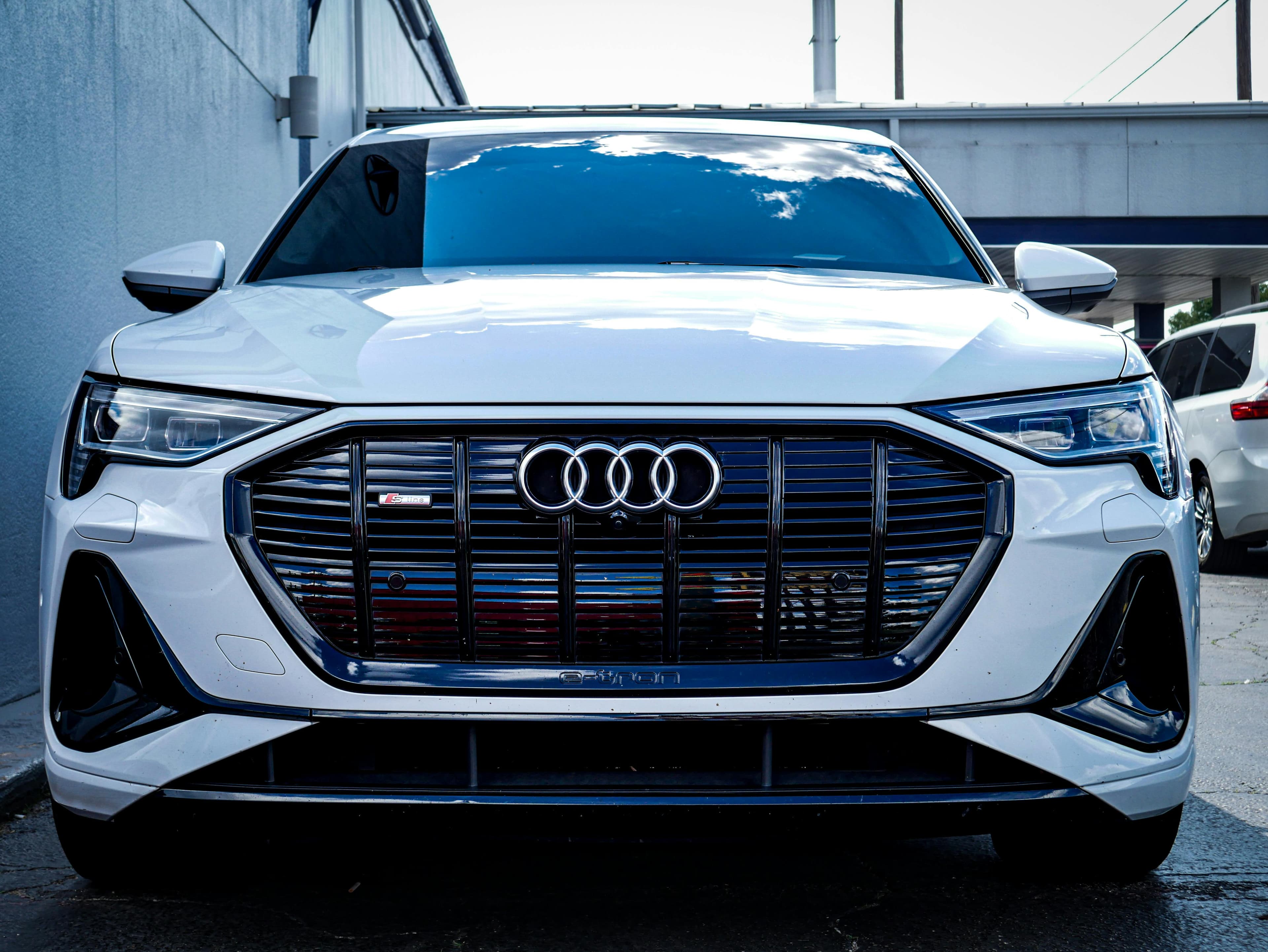
The new generation is available as a Q5 SUV and Q5 Sportback, as well as in the more powerful SQ5 version.
When servicing a new Q5 you cannot automatically apply procedures from the previous generation.
Audi Q5 servicing in Espoo
The Q5 is often used as a family car and may cover significant distances. In Finland additional load comes from cold starts, road salt, snow and ice, temperature swings and heavy suspension loads.
It is worth checking regularly:
- engine oil
- filters
- timing drive
- cooling system
- gearbox
- quattro
- DPF
- EGR
- AdBlue
- brakes
- suspension
- battery
- air conditioning
- Audi Q5 scheduled maintenance
- oil and filter change
- annual service
Audi Q5 TFSI petrol engines
Across Q5 generations you will find 2.0 TFSI, 3.0 TFSI and V6 TFSI on higher-powered versions.
For TFSI it is important to monitor oil level, spark plugs, coils, the turbocharger, cooling system, crankcase ventilation and timing drive.
Diagnostics are needed if:
- Check Engine is on
- EPC appears
- the engine misfires
- power has dropped
- oil consumption has increased
- noise appears on start-up
- coolant level is dropping
- petrol engine repair
- computer diagnostics
Audi Q5 oil consumption
On some early 2.0 TFSI engines elevated oil consumption is more common. However, you should not draw conclusions from a single engine designation alone.
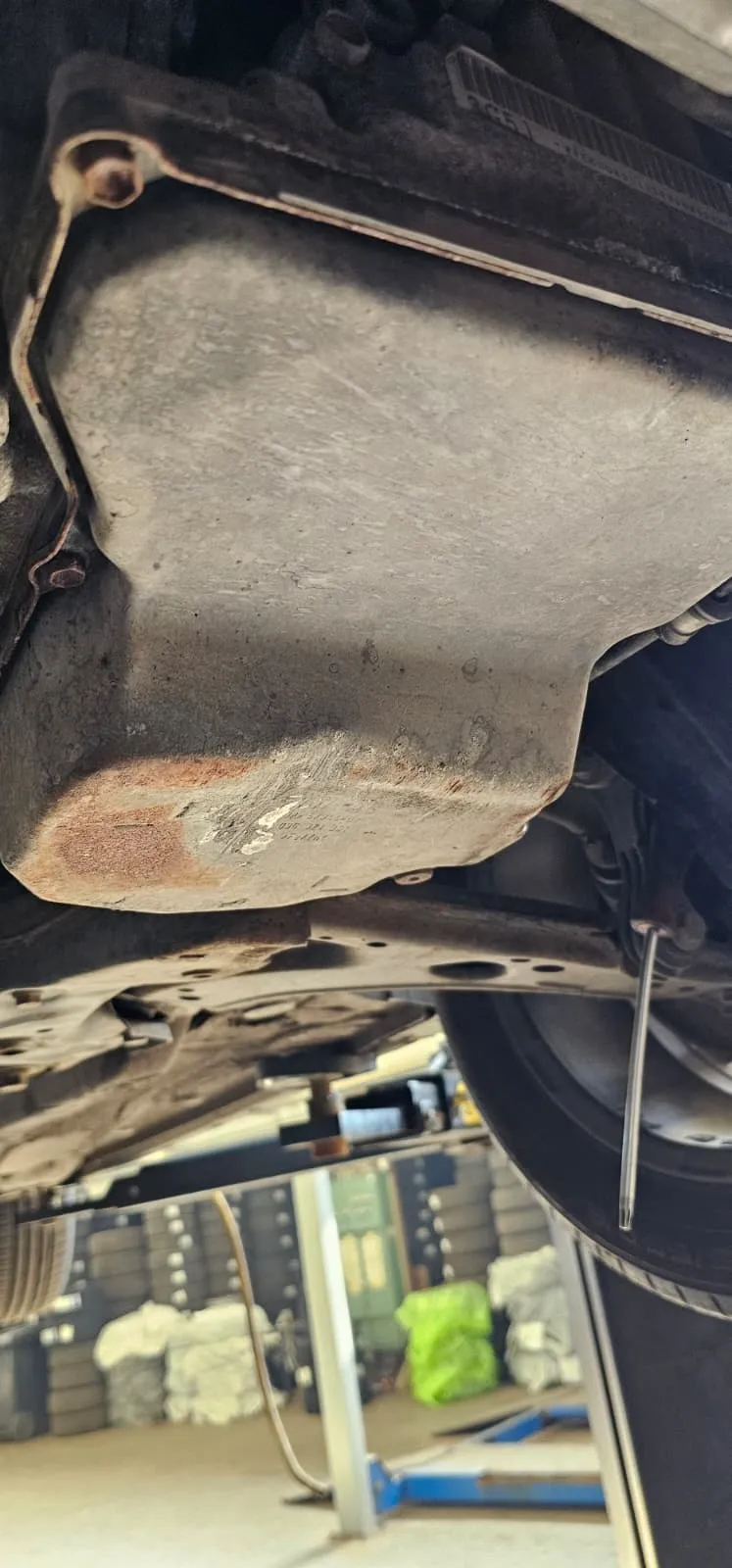
Causes may include external leaks, crankcase ventilation, the turbocharger, piston rings or general wear.
If oil consumption has increased, the cause should be identified rather than simply topping up.
Audi Q5 timing chain
Many petrol Q5 engines use a chain-driven timing drive.
Reasons for inspection include a metallic noise after a cold start, cam phasing faults, poor starting, unstable running and Check Engine.
Not every noise means a full chain replacement is required, so diagnostics should come first.
Audi Q5 TDI diesel engines
On the Finnish used market 2.0 TDI and 3.0 TDI are widely represented.
A diesel Q5 suits high mileage well, but urban use can place load on the exhaust aftertreatment system.
Diagnostics are needed if:
- the car has lost power
- smoke appears
- regeneration starts frequently
- the DPF warning lights up
- an EGR fault appears
- an AdBlue fault appears
- the car enters limp mode
- TDI diesel engine repair
- computer diagnostics
Audi Q5 DPF
The particulate filter gradually accumulates soot and ash. If the car often drives on the motorway, regeneration usually completes well. On short trips the process may be interrupted.
Symptoms: raised idle speed, fans running after shutdown, higher consumption, more frequent regenerations, a DPF warning and reduced power.
Diagnostics check soot and ash loading, differential pressure, temperature sensors, EGR and engine operation.
Audi Q5 EGR
The EGR system becomes contaminated over time. Possible symptoms: Check Engine, power loss, unstable running, frequent regenerations and limp mode.
On some TDI engines the EGR cooler should also be checked. If the coolant level is dropping at the same time, this is especially important.
Audi Q5 AdBlue and SCR
Modern diesel Q5 models use an SCR system. A fault may be linked to the NOx sensor, pump, injector, heater, level sensor or wiring.
If a countdown to a no-start condition appears, diagnostics should be done in good time.
Audi Q5 S tronic
Many Q5 models use an S tronic gearbox. It has two clutches and differs from a classic automatic.
Faults may involve the clutches, mechatronics, oil, adaptations or the mechanical section. For gearboxes with a scheduled oil change, servicing must be carried out on time.
Inspection is needed if:
- jerking appears
- D or R engages with a delay
- vibration is felt
- harsh shifts appear
- the gearbox enters limp mode
- S tronic service and repair
- transmission oil change
Audi Q5 Tiptronic
Some versions use Tiptronic — a classic torque-converter automatic.
Oil service history is especially important on high-mileage cars.
Diagnostics are needed if:
- harsh shifts appear
- the gearbox slips
- gear engagement is delayed
- vibration is felt
- a fault appears
- transmission oil change
- computer diagnostics
Audi Q5 quattro
All-wheel drive is one of the main features of the Q5, but the design varies. Depending on the generation you will find classic permanent quattro, quattro ultra and electronically controlled multi-plate systems.
Therefore one service schedule cannot be applied to every version.
Diagnostics are needed if:
- a drone appears
- the car vibrates
- harsh knocks appear
- an all-wheel-drive fault appears
- leaks are found
- computer diagnostics
- transmission oil change
Quattro ultra
On part of the second generation quattro ultra is used. The system can disconnect the rear axle to reduce losses and reconnect it when needed.
During diagnostics it is worth checking the clutch, electronic control, oil, sensors and stored faults.
For all-wheel drive it is important to use tyres of the same size and similar wear.
Propshaft and differentials
An all-wheel-drive Q5 has additional drivetrain components. Possible symptoms: vibration on acceleration, a drone, knocking, a jolt when moving off or an oil leak.
A similar noise can also come from hub bearings or tyres, so the source must be identified first.
Audi Q5 TFSI e
The second-generation Q5 was also built as a plug-in hybrid. That version combines a petrol TFSI engine, an electric motor, a high-voltage battery, S tronic and quattro.
Diagnostics must take both parts of the powertrain into account. Work on high-voltage components requires appropriate qualification.
Inspection is needed if:
- the car will not charge
- electric mode is unavailable
- charging is interrupted
- a hybrid system fault appears
- electric range has dropped sharply
- computer diagnostics
- electrical repair
If a Q5 TFSI e will not charge
The cause may not be the battery itself. Check the cable, charging station, connector, port lock, 12V battery, on-board charger and high-voltage faults.
Sometimes a weak 12V battery can prevent the charging process from starting.
Audi Q5 cooling system
The Q5 has a complex thermal management system. Causes of a dropping fluid level may include the pump, thermostat, hoses, radiator, EGR cooler or heat exchanger.
TFSI e models also have separate cooling circuits for the high-voltage system.
Coolant should not be topped up regularly without finding the cause.
Audi Q5 suspension
The Q5 is heavier than Audi saloons and is often used on poor roads. Over time control arms, bushes, anti-roll bar links, dampers, ball joints and hub bearings can wear.
Inspection is needed if knocking appears, the car holds its line less well, the steering wheel vibrates or tyres wear unevenly.
Audi Q5 air suspension
Some well-equipped Q5 models use adaptive air suspension. It allows ride height and damping characteristics to be changed.
Fault symptoms: the car settles after parking, one corner sits lower, the compressor runs too long, a suspension fault appears, or the body will not change height.
If the compressor switches on frequently, a leak must be found.
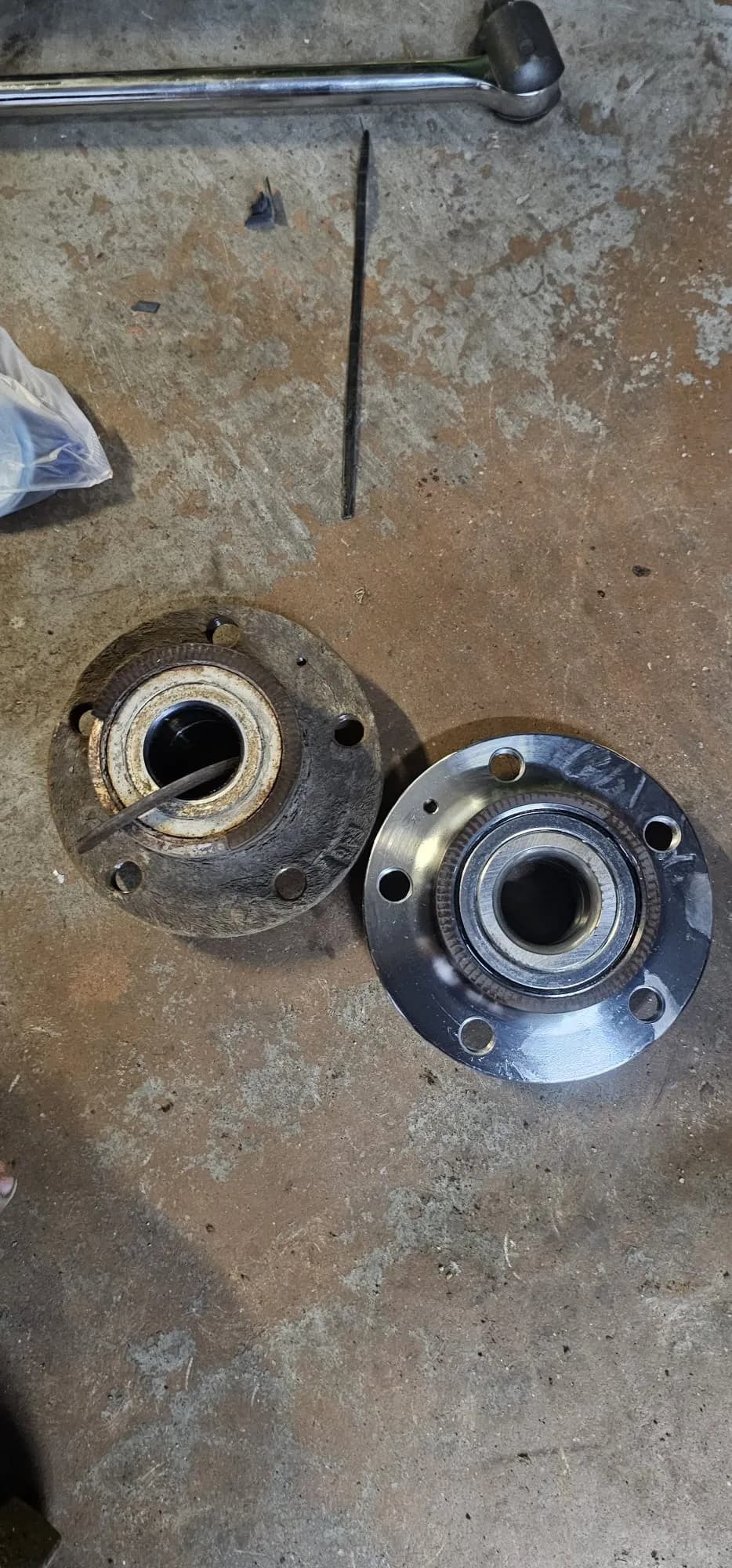
Hub bearings
On the Q5 hub bearings see high load because of the vehicle mass and large wheels.
The main symptom is a drone that increases with speed. On quattro a similar noise can come from the drivetrain, so the source must be identified before replacement.
Audi Q5 braking system
The Q5 is a fairly heavy car. In Finland salt also accelerates brake corrosion.
On TFSI e regenerative braking must also be taken into account.
Inspection is needed if:
- vibration appears
- the brakes squeal
- the car pulls to one side
- a wheel overheats
- the electronic parking brake shows a fault
Battery and MHEV
Modern Q5 models use more and more electrified systems. The new third generation applies MHEV plus on some engines.
If many faults appear at once, check the 12V battery, charging system, MHEV components, converters and stored faults.
Electronics and MMI
A modern Q5 has a large number of electronic control units. Possible issues: MMI restarts, the screen does not switch on, sound disappears, Bluetooth is unstable, the camera does not start, assistant faults appear.
Sometimes several faults are caused by low supply voltage.
Cameras and assistants
The Q5 can be equipped with adaptive cruise control, Lane Assist, Audi pre sense, blind-spot monitoring, cameras and parking systems.
After windscreen replacement, body repair or suspension work, calibration may be required.
Audi Q5 air conditioning
If the air conditioning no longer cools, the cause may be a leak, the compressor, condenser, pressure sensor or fan.
If the system needs regular top-ups, the leak point must be found.
Audi Q5 Sportback
The Q5 Sportback is distinguished by a more sloping roofline. Technically most systems are similar to the regular Q5.
It is also worth checking the powered tailgate, seals, rear camera and water ingress into the boot.
The new Q5 generation is also built as a Sportback.
Audi SQ5
The SQ5 is the sporty version of the family. It has a more powerful engine, a reinforced drivetrain, high-performance brakes and a sport chassis.
A car with modified software may place higher load on the transmission.
Before purchase it is especially important to check:
- engine
- turbocharging
- gearbox
- quattro
- cooling
- brakes
- suspension
- presence of tuning
- computer diagnostics
Audi Q5 pre-purchase inspection
Before purchase it is worth checking cold start, control-unit faults, the engine, oil consumption, timing drive, turbocharger, cooling system, DPF, EGR, AdBlue, S tronic or Tiptronic, quattro, propshaft, suspension, air suspension, brakes, MMI and assistants.
For TFSI e also check the high-voltage battery, charging, hybrid mode and high-voltage faults.
Which Audi Q5 services we provide
At Volkkarihuolto Espoo you can book:
- regular Audi Q5 maintenance
- oil and filter change
- computer diagnostics
- TFSI servicing
- TDI servicing
- turbocharger diagnostics
- timing drive inspection
- DPF diagnostics
- EGR inspection
- AdBlue diagnostics
- S tronic service
- Tiptronic diagnostics
- quattro inspection
- propshaft diagnostics
- TFSI e diagnostics
- brake repair
- suspension diagnostics
- air suspension diagnostics
- hub bearing replacement
- coolant leak diagnosis
- battery inspection
- air conditioning service
- MMI diagnostics
- camera and assistant checks
- inspection preparation
- Audi Q5 pre-purchase inspection
Common Audi Q5 fault symptoms
Book diagnostics if:
- Check Engine or EPC is on
- the engine misfires
- the car has lost power
- oil consumption has increased
- coolant level is dropping
- the diesel regenerates the DPF too often
- an EGR or AdBlue fault appears
- S tronic jerks
- Tiptronic shifts harshly
- quattro is unstable
- vibration appears on acceleration
- air suspension settles
- the suspension knocks
- a drone appears
- the brakes vibrate
- MMI restarts
- assistant faults appear
- TFSI e will not charge
Audi Q5 repair in Espoo
Need repair or maintenance for an Audi Q5? Contact Volkkarihuolto Espoo at Ruukinmestarintie 7, 02330 Espoo.
We can diagnose petrol TFSI and diesel TDI engines, S tronic, Tiptronic, quattro, DPF, EGR, AdBlue, turbocharging, timing drive, brakes, suspension, cooling system, MMI and electronic assistants.
For hybrid Q5 models you can book charging and related-system diagnostics; the feasibility of specific high-voltage work is determined according to safety requirements and the necessary qualification.
When servicing an Audi Q5 it is especially important to consider the generation and powertrain. A first-generation Q5 2.0 TFSI, a second-generation Q5 3.0 TDI quattro and a modern new-generation Q5 have different engines, transmissions, electronics and service requirements.
FAQ
When did the Audi Q5 appear?
The first generation of the Audi Q5 appeared in 2008.
How many Audi Q5 generations are there?
As of 2026 there are three generations: the first from 2008, the second from 2017 and the third presented in 2024.
Which Audi Q5 is current now?
The current model is the third generation, built on the Premium Platform Combustion platform.
Which engines are fitted to the Audi Q5?
Depending on the generation, petrol TFSI, diesel TDI and plug-in hybrid TFSI e powertrains are used.
Is there an Audi Q5 with quattro?
Yes. All-wheel drive is widely used on the Q5, but the system design depends on the generation and version.
Does quattro need servicing?
Yes. The specific schedule depends on the all-wheel-drive system. The propshaft, differentials and tyre condition should also be monitored.
Why does an Audi Q5 S tronic jerk?
Causes may include the clutches, mechatronics, oil, adaptations or a mechanical fault.
Why does a diesel Q5 regenerate the DPF often?
Causes may include short trips, high filter loading or faults in the EGR, injectors and sensors.
Is there a hybrid Audi Q5?
Yes. The second generation was built as TFSI e, combining a petrol engine and an electric motor.
Why does an Audi Q5 settle after parking?
If the car has air suspension, there may be a leak in an air strut, line or valve block.
Can an Audi Q5 be inspected before purchase?
Yes. It is recommended to check the engine, gearbox, quattro, cooling system, suspension, brakes and electronics. On diesels also check DPF/EGR/AdBlue, and on TFSI e the high-voltage system.
Detailed Services
Professional fault diagnostics for Audi Q5.
Oil ChangeEngine oil and filter replacement for Audi Q5.
Annual maintenanceComprehensive annual maintenance for Audi Q5.
Regular MaintenanceScheduled maintenance for Audi Q5 according to service needs.
Engine RepairEngine diagnostics and repair for Audi Q5.
Diesel Engine RepairDiesel engine service and repair for Audi Q5.
Electrical RepairElectrical fault tracing and repair for Audi Q5.
ECU ProgrammingControl unit programming and coding for Audi Q5.
DSG RepairDSG transmission diagnostics and repair for Audi Q5.
Transmission RepairTransmission diagnostics and repair for Audi Q5.
Transmission Oil ChangeTransmission oil change for Audi Q5.
Timing Belt ReplacementTiming belt and related component replacement for Audi Q5.
Timing Chain ReplacementTiming chain, tensioner, and guide replacement for Audi Q5.
Cooling System RepairCooling system service and repair for Audi Q5.
AC RepairAir conditioning service and repair for Audi Q5.
Engine Heater InstallationEngine heater installation and service for Audi Q5.
Cabin OzonationCabin ozonation and odor removal for Audi Q5.









.webp&w=3840&q=75)
.webp&w=3840&q=75)