
Audi A3 — service and repair in Espoo
The Audi A3 is one of the most popular compact premium cars. The model combines relatively small dimensions, a wide range of engines and a high level of equipment. Across several generations the A3 has been built as a three- and five-door hatchback, Sportback, Sedan and Cabriolet, with powertrains including TFSI petrol, TDI diesel, plug-in hybrid TFSI e and sport versions S3 and RS 3.
Technically the Audi A3 is closely related to the Volkswagen Golf of matching generations, but it has its own suspension tuning, equipment and electronic systems. Many mechanical technologies are therefore familiar to VAG specialists, yet repair still requires attention to the specific generation, engine, gearbox and drivetrain.
At Volkkarihuolto Espoo we perform diagnostics, maintenance and repair for the Audi A3 at Ruukinmestarintie 7, 02330 Espoo.
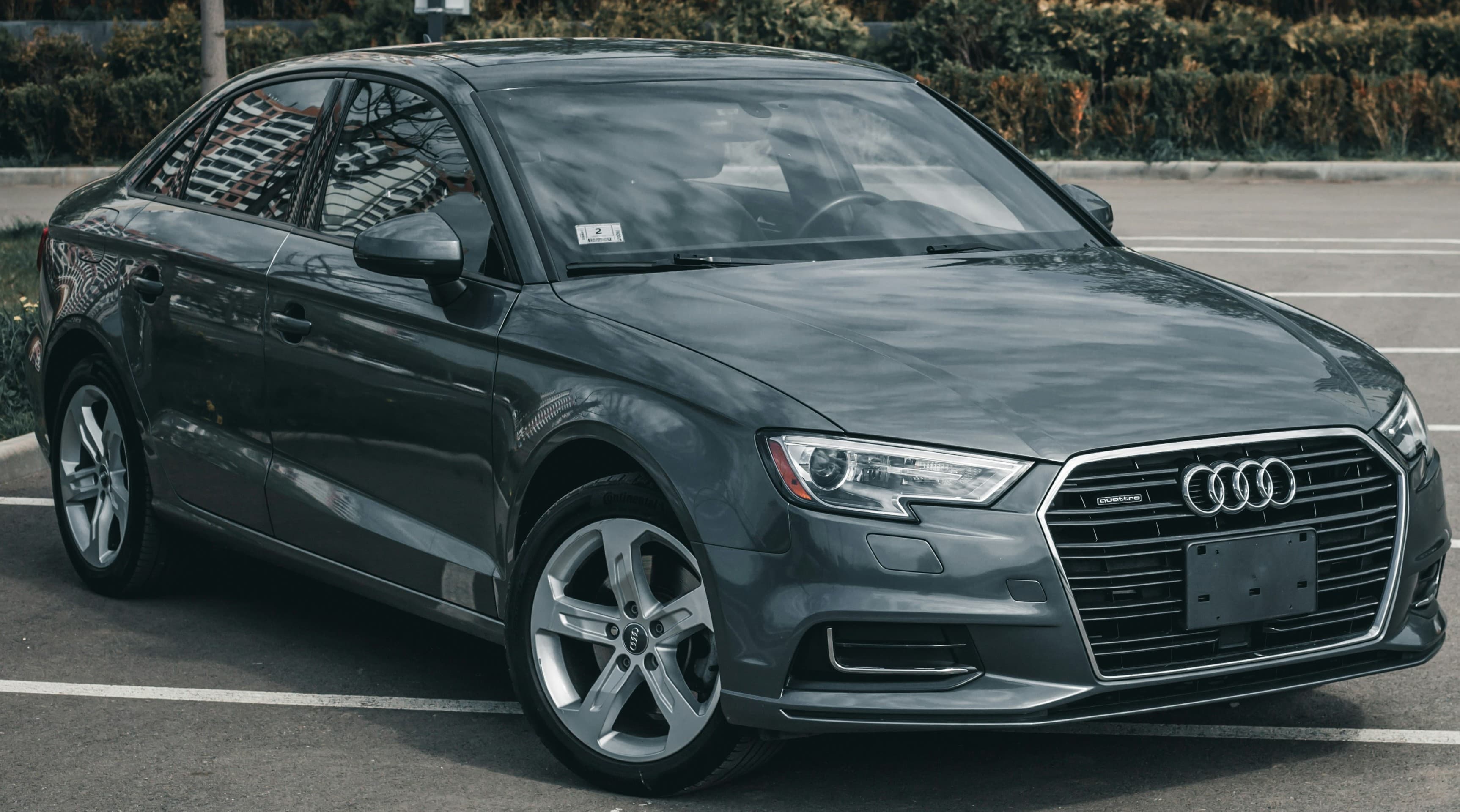
Audi A3 history
The first Audi A3 was unveiled in 1996 at the Paris Motor Show. It became Audi's first compact model of the modern era and used a platform later shared with the Volkswagen Golf IV. Initially the A3 was offered only as a three-door; a five-door version followed in 1999.
As early as 1998 Audi offered the A3 with quattro all-wheel drive, and in 1999 the first sporty Audi S3 appeared.
The second-generation A3 arrived in the early 2000s. In 2004 Audi introduced the A3 Sportback — a five-door version that over time became one of the main body styles. In 2008 the range was joined by the Cabriolet.
The third generation arrived in 2012. That is when the family became especially broad: besides the Sportback came the Sedan, Cabriolet, sporty S3 and RS 3, and the electrified A3 Sportback e-tron.
The fourth-generation A3 debuted in 2020 with an updated digital architecture, modern assistance systems and new electrified powertrains.
For repair, the generation code matters a great deal. For example, an A3 8P 1.8 TFSI and an A3 8Y 35 TFSI have completely different engines, electronic architecture and service requirements. Main generations:
- Audi A3 8L — 1996–2003
- Audi A3 8P — 2003–2012
- Audi A3 8V — 2012–2020
- Audi A3 8Y — from 2020
Audi A3 service in Espoo
The Audi A3 can be used as a city car, but many versions have fairly powerful turbocharged engines, S tronic and quattro all-wheel drive.
For a car used mainly on short routes in Espoo and Helsinki, low annual mileage does not always mean easy operating conditions. Frequent cold starts, short trips and city driving can be hard on the engine and exhaust aftertreatment system.
In Finnish conditions the following are especially important:
- regular engine oil changes
- battery check before winter
- brake condition after the winter season
- cooling system monitoring
- suspension condition
- correct S tronic service
- DPF monitoring on diesel cars
- quattro check on relevant versions
- regular maintenance
- oil and filter change
- computer diagnostics
- annual maintenance
Audi A3 TFSI petrol engines
Over the years the Audi A3 has received a large number of petrol engines. Across generations you can find 1.0 TFSI, 1.2 TFSI, 1.4 TFSI, 1.5 TFSI, 1.8 TFSI and 2.0 TFSI.
The current A3 30 TFSI uses a 1.5-litre turbocharged engine with 85 kW, or 116 hp, direct injection and a petrol particulate filter.
On TFSI engines it is worth regularly monitoring engine oil, spark plugs, coils, turbocharging, cooling, crankcase ventilation and the timing drive. Diagnostics are needed if:
- Check Engine comes on
- EPC lights up
- the engine misfires
- the car jerks
- power has dropped
- an unusual noise appears on start-up
- oil consumption has increased
- coolant level keeps dropping
- petrol engine repair
- computer diagnostics
Audi A3 1.4 and 1.5 TFSI
The 1.4 TFSI is one of the most common petrol engines on the third-generation A3. It was later replaced by the 1.5 TFSI.
Despite similar power, these engines differ technically, so service schedules and diagnostics should follow the specific engine code.
If the engine starts to jerk under light load or misfires appear, check spark plugs, coils, the fuel system and stored faults. On 1.4 TFSI and 1.5 TFSI pay attention to:
- smooth running
- ignition system
- turbocharger
- cooling system
- timing drive
- cylinder deactivation on relevant versions
- timing belt replacement
- timing chain replacement
Audi A3 1.8 TFSI and 2.0 TFSI
More powerful A3 versions used 1.8 and 2.0 TFSI engines. These appeal especially to owners who want a compact body with strong performance.
When buying an older A3 with these engines, study the service history carefully. If oil consumption is high, the cause must be diagnosed rather than simply topping up oil all the time.
It is useful to check:
- oil consumption
- crankcase ventilation condition
- turbocharger
- timing drive
- cooling system
- presence of leaks
- cam timing control faults
- petrol engine repair
Audi A3 timing chain or belt
Different A3 engines used both chain and belt timing drives. That is one reason a single service interval cannot be recommended for all Audi A3 cars.
On later engines a toothed belt is widely used. With a belt drive it is usually worth assessing the full kit, including the tensioner and idlers.
Some early TFSI engines used a chain. Metallic noise on cold start, synchronisation faults, poor starting and unstable running can be reasons for diagnostics. To determine drive type and schedule you need:
- VIN
- engine code
- model year
- timing belt replacement
- timing chain replacement
Audi A3 TDI diesel engines
Diesel A3 models are especially popular with owners who cover high annual mileage. Across generations you find 1.6 TDI, 1.9 TDI and 2.0 TDI.
On long trips diesel suits the A3 well, but constant city use can create problems with the DPF and EGR.
Before replacing an expensive DPF it is important to find out why it is filling up. Seek diagnostics if:
- the DPF indicator lights up
- regeneration starts often
- the engine has lost power
- consumption has increased
- smoke appears
- the car has entered limp mode
- Check Engine comes on
- TDI diesel engine repair
Audi A3 DPF
The DPF traps soot and is cleaned periodically by regeneration. Successful regeneration requires the engine and exhaust to reach operating temperature. On short trips regeneration can be interrupted again and again.
Forced regeneration is not always the right solution if the filter is already heavily loaded or the cause lies in another engine component.
The driver may notice raised idle, the fan running after shutdown, higher consumption, a distinctive smell and the DPF lamp. During diagnostics check:
- calculated soot load
- ash quantity
- differential pressure
- temperature sensors
- EGR
- injectors
- DPF diagnostics
Audi A3 EGR
Diesel A3 cars use an EGR system. Over time deposits can build up inside the valve and intake tract.
Diagnosis should cover not only the EGR valve but also its control, sensors and, where fitted, the EGR cooler. Problems may be indicated by:
- Check Engine
- unstable running
- loss of power
- jerking
- increased soot formation
- frequent regenerations
- EGR diagnostics
Audi A3 S tronic
The Audi A3 is widely offered with the dual-clutch S tronic automated gearbox. Depending on engine and generation, several different gearboxes are used. Some have dry clutches; others use wet clutch packs.
Service recommendations must therefore refer to the specific transmission. Where oil changes are scheduled, service must be carried out on time.
Diagnostics are required if:
- the car jerks when moving off
- engaging D or R is delayed
- vibration appears
- hard knocks occur
- shifts become unpredictable
- a transmission fault appears
- S tronic enters limp mode
- S tronic service and repair
- transmission oil change
Manual gearbox and clutch
Many Audi A3 cars are fitted with a manual gearbox. Diesel and more powerful versions also use a dual-mass flywheel.
If a metallic knock appears at idle or vibration occurs when starting and stopping the engine, check the flywheel condition. Clutch wear may show as:
- slipping
- high bite point
- vibration when moving off
- difficult gear engagement
- noise when operating the pedal
- manual gearbox diagnostics
Audi A3 quattro
Quattro all-wheel drive appeared on the A3 already in the first generation. In 1998 Audi offered quattro in the compact class, and later the system became available on various powerful A3, S3 and RS 3 versions.
Because of the transverse engine layout, quattro on the A3 differs from classic longitudinal Audi systems. Early cars used an electronically controlled Haldex multi-plate clutch.
For such a system oil condition, pump operation, filter or strainer cleanliness depending on generation, absence of AWD faults and matching tyre sizes all matter. Diagnostics are needed if:
- the front wheels spin constantly
- the rear axle does not engage
- an all-wheel-drive fault appears
- vibration occurs
- a hum appears
- computer diagnostics
- transmission oil change
Audi A3 e-tron
The third-generation A3 was the first for which Audi offered a production plug-in hybrid — the A3 Sportback e-tron. It combines a petrol engine with an electric motor, high-voltage battery and charging system.
Service must cover both parts of the powertrain. For the petrol engine: oil, spark plugs, cooling and the fuel system. For the hybrid system: high-voltage battery, charge port, power electronics, electric motor and cooling.
Diagnostics are required if:
- the car will not charge
- electric mode is unavailable
- a hybrid system fault appears
- electric range has dropped sharply
- charging is interrupted
- computer diagnostics
- electrical system repair
Audi A3 TFSI e
The current A3 continues the plug-in hybrid line under the TFSI e name. The updated A3 Sportback TFSI e received a new high-voltage battery and a significantly increased electric range. Audi states up to 143 km of electric driving for the new version, and the model is available with system power of 150 kW or 200 kW.
The new hybrid system uses a 1.5 TFSI evo2 and an electric motor integrated into a six-speed S tronic. Work directly on high-voltage components requires appropriate qualifications.
When diagnosing TFSI e, consider:
- the combustion engine
- high-voltage battery
- charging system
- hybrid gearbox
- cooling system
- power electronics
- computer diagnostics
If the Audi A3 TFSI e will not charge
The cause is not necessarily the high-voltage battery. Check the charging station, cable, charge port, locking mechanism, 12V battery, onboard charger and stored faults.
Diagnostics are especially needed if:
- charging does not start at all
- the process is regularly interrupted
- the charge cable will not release
- electric mode is unavailable
- computer diagnostics
- electrical system repair
Audi A3 cooling system
Modern TFSI engines have fairly complex temperature management systems. Coolant should not be topped up regularly without finding the cause.
Coolant loss may be caused by the water pump, thermostat, cooling housing, radiator, hoses and heat exchanger. Leaks may be indicated by:
- coolant smell
- traces under the car
- unstable temperature
- poor heater performance
- low-level warning
- coolant leak detection
Audi A3 suspension
Suspension design depends on generation, engine and power. On the current base A3, McPherson struts are used at the front, and some less powerful versions have a torsion-beam rear axle. For example, technical data for the A3 Sportback 30 TFSI specify exactly that layout.
More powerful versions use a more complex rear suspension. Seek diagnostics for knocks, squeaks, humming or uneven tyre wear. Over time attention may be needed for:
- anti-roll bar links
- bushes
- ball joints
- shock absorbers
- top mounts
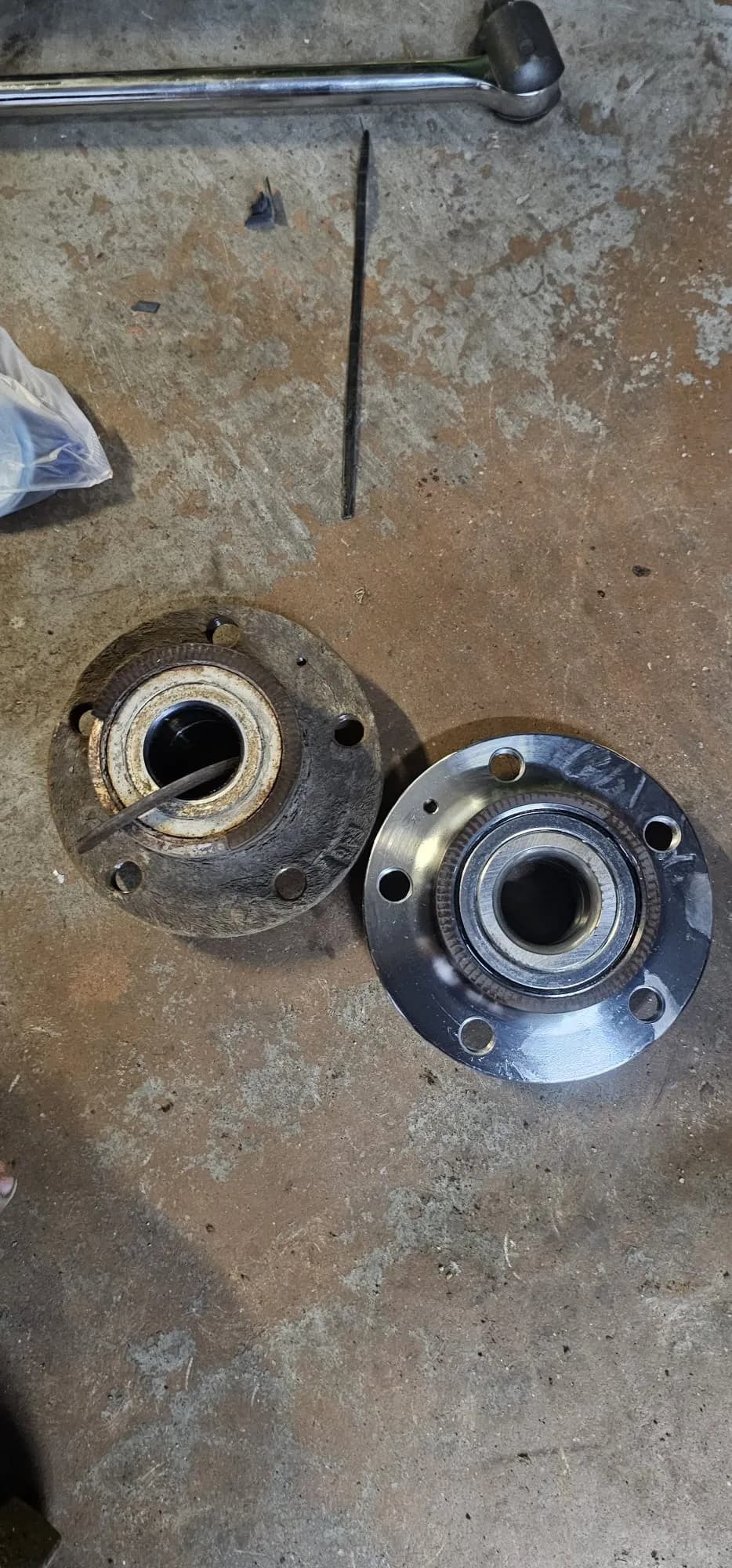
- hub bearings
- track rod ends
Audi A3 hub bearings
A worn hub bearing produces a hum that usually increases with speed. Sometimes the sound changes when cornering.
A similar noise can also come from an unevenly worn tyre. Before replacement, identify which wheel is the source of the hum.
Audi A3 braking system
Brake systems differ by power. On a standard A3 they are sized for everyday use, while S3 and RS 3 have substantially higher-performance components.
In Finland brake corrosion from winter salt is relevant. The current A3 uses an electronic parking brake. For example, it is listed in the technical data for the A3 Sportback 30 TFSI.
Diagnostics are needed if:
- squealing appears
- the brakes vibrate
- the car pulls to one side
- one wheel overheats
- the parking brake works incorrectly
Battery and Start-Stop
A weak 12V battery can cause a large number of electronic problems. This is especially relevant in winter and on short city trips.
Before replacing expensive electronic components, check the battery and charging system. Possible symptoms:
- Start-Stop has stopped working
- random warnings appear
- the car starts slowly
- multimedia restarts
- assistants are temporarily unavailable
- electrical system repair
Audi A3 electronics and multimedia
The amount of electronics has grown strongly from generation to generation. The current A3 has a digital instrument cluster, multimedia system, many sensors and networked control units.
Sometimes the cause of several unrelated faults is low supply voltage. Seek diagnostics if:
- the screen restarts
- Bluetooth is unstable
- the camera will not switch on
- parking sensors show a fault
- numerous warnings appear
- assistants regularly switch off
- computer diagnostics
Front Assist, Lane Assist and other assistants
The current Audi A3 can be equipped with Front Assist, Lane Assist, adaptive cruise control, blind-spot monitoring, cameras and parking sensors.
After windscreen replacement or front-end repair, some systems may need calibration. Their operation can be hindered by:
- snow
- ice
- dirt
- radar damage
- windscreen damage
- incorrect suspension geometry
- computer diagnostics
Audi A3 air conditioning
Air conditioning is worth checking in winter too, because it helps remove moisture from the cabin. A simple refill without finding a leak may give only a temporary effect.
If the air conditioning no longer cools, possible causes include:
- low refrigerant
- a leak
- compressor
- condenser
- pressure sensor
- fan
- air conditioning service
Body and corrosion
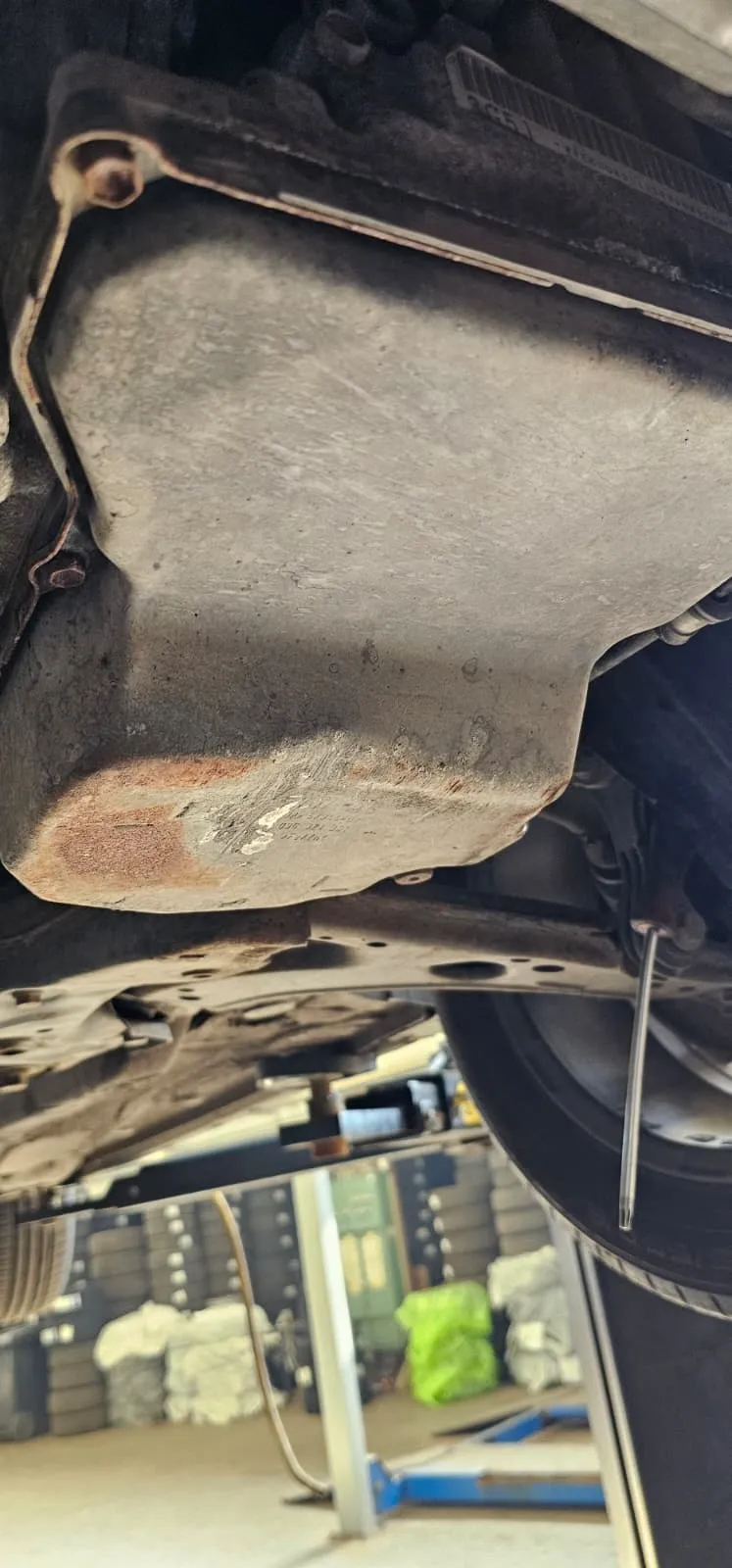
The Audi A3 has good factory corrosion protection, but older 8L and 8P cars may already show damage from Finnish winters. On newer cars it is important to repair paint chips in good time.
Especially worth checking:
- sills
- jacking points
- wheel arches
- underbody
- brake lines
- lower door edges
- areas of previous body repair
Audi S3 and RS 3
S3 and RS 3 belong to the same model family but need a separate approach. They have more powerful engines, reinforced transmissions, quattro, higher-performance brakes and different suspension.
On such cars tuning history is especially important. If the engine or gearbox has modified software, actual component load can be significantly higher than factory.
Before buying an S3 or RS 3, diagnostics are especially useful.
Audi A3 pre-purchase inspection
The Audi A3 is well represented on the used market, so cars can have very different histories. Pay special attention to cars with modified engine or gearbox software.
For e-tron or TFSI e also check the high-voltage battery, charging system, electric mode and hybrid system faults.
Before purchase we recommend checking:
- cold start
- engine
- timing drive
- turbocharger
- cooling system
- S tronic
- quattro
- DPF and EGR on diesel
- suspension
- brakes
- electronics
- body
- computer diagnostics
Which Audi A3 services we provide
At Volkkarihuolto Espoo you can come for:
- regular Audi A3 maintenance
- engine oil and filter change
- computer diagnostics
- TFSI service
- TDI service
- spark plug and coil replacement
- turbo diagnostics
- timing drive inspection
- DPF diagnostics
- EGR check
- S tronic service
- quattro diagnostics
- e-tron and TFSI e diagnostics
- brake system repair
- suspension diagnostics
- hub bearing replacement
- coolant leak detection
- battery check
- air conditioning service
- electronic system diagnostics
- preparation for inspection
- Audi A3 pre-purchase inspection
Common Audi A3 fault symptoms
Book diagnostics if:
- Check Engine or EPC is on
- the engine misfires
- a metallic noise appears on start-up
- power has dropped
- oil consumption has increased
- coolant level keeps dropping
- S tronic jerks
- D or R engages with a delay
- quattro works unreliably
- the diesel often starts regeneration
- the DPF indicator lights up
- the suspension knocks
- a hub bearing hum appears
- the brakes vibrate
- electronic faults appear
- TFSI e will not charge
- hybrid electric mode is unavailable
Audi A3 repair in Espoo
Need Audi A3 repair or maintenance? Contact Volkkarihuolto Espoo at Ruukinmestarintie 7, 02330 Espoo.
We can diagnose TFSI petrol and TDI diesel engines, S tronic, quattro, DPF, EGR, turbocharging, timing drive, brakes, suspension, cooling and electronic systems.
When servicing an Audi A3 it is especially important to consider the generation and specific powertrain. An A3 8P 1.9 TDI, an A3 8V 1.4 TFSI and a current A3 TFSI e have very different designs and need different approaches to diagnostics and preventive maintenance.
FAQ
When was the Audi A3 introduced?
The first Audi A3 was unveiled in 1996 at the Paris Motor Show.
How many Audi A3 generations are there?
There are currently four main generations: 8L, 8P, 8V and 8Y.
What platform is the Audi A3 built on?
The first A3 used a platform related to the Volkswagen Golf IV. Later generations also use Volkswagen Group modular platforms of the corresponding period.
Which engines are fitted to the Audi A3?
Depending on generation, TFSI petrol, TDI diesel and plug-in hybrid TFSI e engines are used. Sporty S3 and RS 3 models have their own high-performance powertrains.
Is there an Audi A3 with quattro?
Yes. All-wheel drive appeared in the A3 family as early as 1998. Today quattro is used primarily on more powerful versions.
Does Audi A3 quattro need servicing?
Yes. The exact schedule depends on the system generation. On versions with a multi-plate clutch, oil, pump and hydraulic system condition are important.
What is S tronic?
S tronic is a dual-clutch gearbox. Various versions are used on the Audi A3, so the service schedule must be determined for the specific gearbox.
Why does the Audi A3 S tronic jerk?
Causes can include the clutches, mechatronics, adaptation, software or a mechanical fault. Pronounced or suddenly appearing jerking requires diagnostics.
Does the Audi A3 have a timing chain or belt?
It depends on the engine. Both designs are used across generations, so the type should be determined from the VIN and engine code.
Why does a diesel A3 often start DPF regeneration?
The main cause is often short city trips where the filter cannot finish regeneration. Faults in the EGR, injectors and sensors should also be ruled out.
Is there a hybrid Audi A3?
Yes. The third generation was produced as the A3 Sportback e-tron, and the current model is offered as the A3 Sportback TFSI e. The updated TFSI e version has an electric range of up to 143 km according to Audi.
Can an Audi A3 be checked before purchase?
Yes. We recommend checking the engine, S tronic gearbox, timing drive, cooling system, suspension, brakes and electronics. On diesel also check DPF and EGR, on quattro the all-wheel drive, and on TFSI e the high-voltage and charging systems.
Detailed Services
Professional fault diagnostics for Audi A3.
Oil ChangeEngine oil and filter replacement for Audi A3.
Annual maintenanceComprehensive annual maintenance for Audi A3.
Regular MaintenanceScheduled maintenance for Audi A3 according to service needs.
Engine RepairEngine diagnostics and repair for Audi A3.
Diesel Engine RepairDiesel engine service and repair for Audi A3.
Electrical RepairElectrical fault tracing and repair for Audi A3.
ECU ProgrammingControl unit programming and coding for Audi A3.
DSG RepairDSG transmission diagnostics and repair for Audi A3.
Transmission RepairTransmission diagnostics and repair for Audi A3.
Transmission Oil ChangeTransmission oil change for Audi A3.
Timing Belt ReplacementTiming belt and related component replacement for Audi A3.
Timing Chain ReplacementTiming chain, tensioner, and guide replacement for Audi A3.
Cooling System RepairCooling system service and repair for Audi A3.
AC RepairAir conditioning service and repair for Audi A3.
Engine Heater InstallationEngine heater installation and service for Audi A3.
Cabin OzonationCabin ozonation and odor removal for Audi A3.







.webp&w=3840&q=75)
.webp&w=3840&q=75)