
Audi A1 — service and repair in Espoo
The Audi A1 is a compact premium city car that combines small dimensions with Audi's characteristic build quality, modern petrol engines and a wide range of electronic equipment. Thanks to its compact size, the A1 is convenient for daily use in Espoo and Helsinki, yet it is also suitable for longer trips.
Depending on the generation, the Audi A1 can be fitted with TFSI petrol engines, TDI diesel engines, a manual gearbox or S tronic automated transmission. The first generation was also available as a three-door, whereas the current A1 is primarily a five-door Sportback.
At Volkkarihuolto Espoo we perform diagnostics, maintenance and repair for the Audi A1 at Ruukinmestarintie 7, 02330 Espoo.

Audi A1 history
The Audi A1 appeared in 2010 as the brand's most compact model. The first generation was built in Brussels, and by the end of production in August 2018 the plant had made almost 910,000 A1 cars.
The model was created as a premium alternative to ordinary compact hatchbacks. In addition to the three-door version, a more practical five-door Audi A1 Sportback was later introduced.
In 2018 Audi unveiled the second-generation A1 Sportback. The car grew noticeably: length increased by about 56 mm to 4.03 metres. At the same time the model received a fully digital interior architecture, modern multimedia systems and new driver assistance features.
When repairing an A1 it is important to consider the generation, because engines, gearboxes and electronic systems differ significantly between early and current models. Main generations:
- Audi A1 I — 2010–2018
- Audi A1 Sportback II — from 2018
Audi A1 service in Espoo
Although the Audi A1 is a compact car, its powertrains are technically quite complex. TFSI petrol engines use turbocharging and direct injection, and cars with S tronic have a dual-clutch automated gearbox.
In Finnish conditions, cold starts, many short trips, road salt, humidity and temperature swings create additional load.
For an Audi A1 used mainly in the city, an annual inspection is especially useful: low mileage does not always mean easy conditions for the engine and braking system. We regularly recommend checking:
- engine oil and filters
- spark plugs
- timing drive
- cooling system
- S tronic
- brakes
- suspension
- battery
- air conditioning
- electronic systems
- regular maintenance
- oil and filter change
- computer diagnostics
- annual maintenance
Audi A1 TFSI petrol engines
A wide range of TFSI petrol engines has been fitted to Audi A1 cars of different generations. On the first generation you can find 1.0 TFSI, 1.2 TFSI, 1.4 TFSI and more powerful 1.8 and 2.0 TFSI versions.
On the second generation the focus is on compact turbocharged petrol engines. Current 25 TFSI and 30 TFSI versions use a three-cylinder 999 cc engine that can be paired with a seven-speed S tronic.
When running a TFSI it is worth monitoring spark plugs, coils, turbocharging, cooling, crankcase ventilation, direct injection and the timing drive. Diagnostics are recommended if:
- the engine misfires
- Check Engine comes on
- EPC appears
- the car jerks under acceleration
- power has dropped
- fuel consumption has increased
- the engine runs unevenly at idle
- an unusual noise appears on start-up
- coolant level keeps dropping
- petrol engine repair
- computer diagnostics
Audi A1 1.0 TFSI
The three-cylinder 1.0 TFSI is widely used on later Audi A1 models. Its small displacement and good economy make it especially suitable for city driving.
A small vibration at idle can be a natural characteristic of a three-cylinder engine. But if vibration increases sharply or Check Engine appears at the same time, it is worth checking:
- spark plugs
- ignition coils
- injectors
- boost pressure
- intake
- engine mounts
Audi A1 1.4 TFSI
The 1.4 TFSI engine is especially common on the first-generation Audi A1. There are several technically different versions of this engine, so recommendations cannot automatically be transferred from one 1.4 TFSI to another.
If a pronounced metallic noise appears on cold start, it should be checked as soon as possible. Depending on model year, the following may need attention:
- ignition system
- turbocharger
- timing drive
- cooling system
- intake
- crankcase ventilation system
- timing belt replacement
- timing chain replacement
Audi A1 timing chain and belt
The type of timing drive depends on the engine. Some early TFSI engines use a chain, while a toothed belt is widely used on later engines. This is an important difference: you cannot say that all Audi A1 cars have a chain or that all have a belt.
For belt-driven engines the applicable replacement interval and the age of the car must be considered. The exact type is best determined from the VIN and engine code.
Possible chain problems may be indicated by metallic rattling after start-up, synchronisation errors, poor starting and unstable engine running. During servicing the full set is usually checked:
- belt or chain
- rollers
- tensioner
- related components
- timing belt replacement
- timing chain replacement
Audi A1 TDI diesel engines
The first-generation Audi A1 was also built with TDI diesel engines, including the popular 1.6 TDI. These cars offer low fuel consumption and suit high mileages well, but city use can create problems for the DPF.
Interrupted regenerations can lead to fuel entering the engine oil and a gradual rise in oil level. Before replacing the DPF it is necessary to check actual filter fill level, pressure and temperature sensors, EGR and engine operation.
Diagnostics are worth booking if:
- the DPF warning light comes on
- regeneration starts too often
- the engine has lost power
- the car has entered limp mode
- engine oil level has risen
- fuel consumption has increased
- smoke appears
- TDI diesel engine repair
- DPF diagnostics
EGR on diesel Audi A1
The EGR system gradually becomes contaminated with combustion products. If EGR does not work correctly, it can increase soot formation and put additional load on the DPF. The issue should ideally be looked at as a whole.
A fault may appear as:
- Check Engine
- loss of power
- unstable idle
- jerking
- limp mode
- frequent DPF regenerations
- EGR diagnostics
Audi A1 S tronic
The Audi A1 uses an S tronic dual-clutch automated gearbox. On current A1 25 TFSI and 30 TFSI models the seven-speed S tronic uses two dry clutches.
The gearbox delivers fast shifts and low fuel consumption, but its behaviour differs from a classic torque-converter automatic. A small quirk at low speed is possible, but pronounced jerking or vibration requires inspection.
The exact transmission type should be determined from the VIN. Diagnostics are needed if:
- the A1 jerks when pulling away
- vibration appears in traffic
- engaging D or R is delayed
- strong jolts occur
- the gearbox goes into limp mode
- a transmission warning appears
- S tronic service and repair
Manual gearbox and clutch
Many Audi A1 cars are fitted with a manual gearbox. The clutch can wear over time. If the clutch starts to slip under acceleration in a high gear, repair should not be delayed.
This is indicated by:
- slipping
- high bite point
- vibration when pulling away
- noise when pressing the pedal
- difficulty changing gear
- manual gearbox diagnostics
Audi A1 cooling system
On modern TFSI engines the cooling system includes a pump, thermostat, hoses and electronically controlled components. A regular drop in coolant level should not be considered normal.
Even a small leak can eventually lead to overheating. Diagnostics are needed if:
- coolant has to be topped up regularly
- you notice its smell
- the engine takes long to warm up
- temperature becomes unstable
- fluid traces appear under the car
- coolant leak detection
Audi A1 suspension
The Audi A1 has a compact and relatively simple suspension. On the current A1 McPherson struts are used at the front and a torsion beam at the rear. Finnish roads and low-profile tyres on sport packages increase load on the running gear.
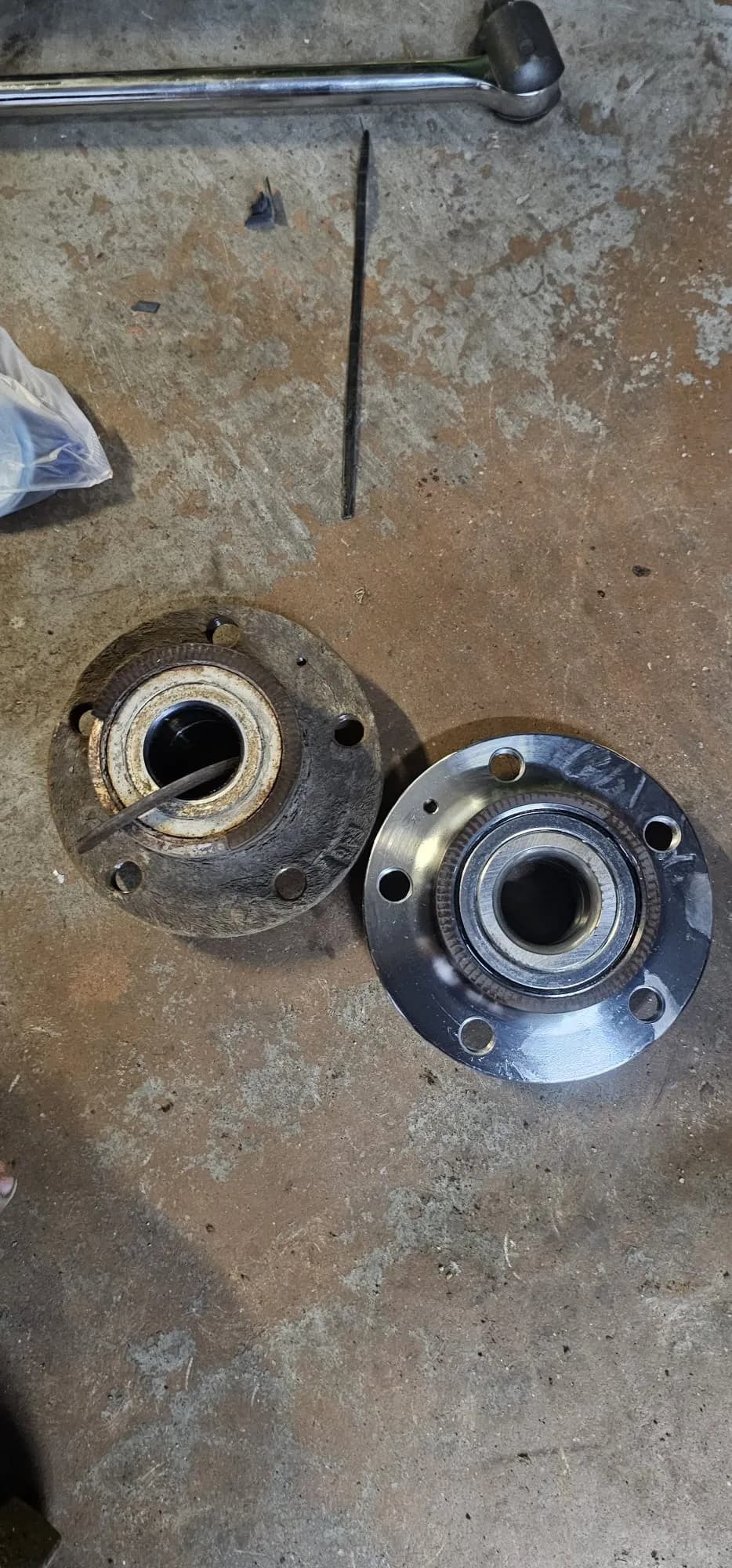
Over time stabiliser links, bushes, top bearings, dampers, wheel bearings and track rod ends can wear. A check is worth booking if:
- the suspension knocks
- squeaking appears
- the car pulls to one side
- a humming noise appears
- tyres wear unevenly
- the steering wheel vibrates
Audi A1 braking system
The A1 is often used mainly in the city, where the brakes work constantly at low speed. In Finland road salt is an additional problem. Even with low mileage brake discs can suffer from corrosion.
Current A1 models use an electronic parking brake, which must also be considered when servicing the rear brakes. A check is needed if:
- squealing appears
- the brakes vibrate
- the car pulls to one side
- a wheel gets hot
- braking distance has increased
- the parking brake works inconsistently
Battery and Start-Stop
A compact car often makes short trips, and in winter the battery does not always have time to recover fully. A weak battery may show not only poor starting.
Before replacing electronic components it is worth checking the battery and charging system first. Possible symptoms include:
- Start-Stop unavailable
- random warnings
- assistance system errors
- multimedia glitches
- slow starting
- electrical system repair
Audi A1 electronics and multimedia
The second-generation A1 received significantly more digital equipment than the first car. Audi positioned it from the outset as a compact model with multimedia and assistance systems at the level of larger cars.
On the first generation there are separate reports of occasional Bluetooth glitches and minor electrical faults. A check may be needed if:
- random warnings appear
- parking sensors do not work
- multimedia reboots
- Bluetooth works inconsistently
- the camera does not turn on
- wipers work incorrectly
- sensor errors appear
- computer diagnostics
Audi A1 air conditioning
A working climate system is needed not only in summer. In winter the air conditioning helps remove moisture from the windows.
A simple top-up only makes sense after checking for leaks if refrigerant has previously escaped. If the air no longer cools, possible causes include:
- refrigerant leak
- compressor fault
- condenser
- pressure sensor
- fan
- climate flap
- air conditioning service
Audi A1 body and corrosion
The A1 has good factory body protection, but Finnish salt affects the car regardless of class.
Age-related corrosion is not yet a major issue on the second generation, but chips and paint damage are best repaired before rust appears. On the first generation it is worth checking:
- underbody
- sills
- jacking points
- wheel arches
- brake lines
- lower edges of doors
- areas of previous body repair
Wheels and tyres
The Audi A1 is often fitted with relatively large wheels for the size of the car. City use means wheels often take impacts from kerbs.
Wheel damage can cause vibration, pressure loss, uneven wear and reduced handling. After a heavy impact it is also worth checking suspension geometry.
Audi A1 pre-purchase inspection
The Audi A1 can be a good compact used car, but a technical inspection helps avoid expensive repairs after purchase.
On a test drive pay attention to smooth pull-away, absence of vibration, unusual suspension noises and warnings on the instrument panel.
For the first generation we recommend checking cold start, TFSI or TDI engine, timing drive, S tronic, DPF on diesel, cooling system, suspension, brakes and electronics.
For the second generation it is also worth checking S tronic operation, digital instrument cluster, parking sensors, multimedia and electronic assistants.
Audi A1 services we provide
At Volkkarihuolto Espoo you can book:
- regular Audi A1 maintenance
- engine oil and filter change
- computer diagnostics
- TFSI servicing
- TDI servicing
- turbocharger diagnostics
- DPF and EGR diagnostics
- timing drive inspection
- spark plug and coil replacement
- S tronic diagnostics
- clutch replacement
- brake system repair
- suspension diagnostics
- wheel bearing replacement
- coolant leak detection
- battery check
- air conditioning service
- electronics diagnostics
- MOT preparation
- Audi A1 pre-purchase inspection
Common Audi A1 fault symptoms
Book diagnostics if:
- Check Engine or EPC is on
- the engine misfires
- the car has lost power
- a noise appears on cold start
- S tronic jerks
- gear engagement is delayed
- the diesel often starts DPF regeneration
- the DPF warning light is on
- coolant level keeps dropping
- the suspension knocks
- a wheel hum appears
- the brakes vibrate
- Start-Stop has stopped working
- random electronic errors appear
- the air conditioning no longer cools
Audi A1 repair in Espoo
Need Audi A1 repair or maintenance? Contact Volkkarihuolto Espoo at Ruukinmestarintie 7, 02330 Espoo.
We can diagnose TFSI and TDI engines, S tronic, timing drive, DPF, EGR, turbocharging, brakes, suspension, cooling system and electrical equipment.
When servicing an Audi A1 it is important to consider generation, engine and gearbox. An early A1 1.4 TFSI, a 1.6 TDI diesel and a current A1 Sportback 30 TFSI require different approaches to diagnostics and preventive maintenance.
FAQ
When did the Audi A1 appear?
The first-generation Audi A1 appeared in 2010. The second-generation A1 Sportback was unveiled in 2018.
What Audi A1 generations exist?
There are two main generations: A1 from 2010–2018 and the second-generation A1 Sportback from 2018.
Which engines are fitted to the Audi A1?
Depending on generation, TFSI petrol and TDI diesel engines were used. The current European line-up focuses on petrol engines, including 25 TFSI and 30 TFSI with a 1.0-litre three-cylinder turbo engine.
Is the Audi A1 front-wheel drive?
Standard current A1 versions are front-wheel drive. Audi's current technical data for the A1 25 TFSI and 30 TFSI indicates a front-wheel-drive configuration.
What is S tronic on the Audi A1?
S tronic is a dual-clutch automated gearbox. On current 25 TFSI and 30 TFSI models a seven-speed version with dry clutches is used.
Why does Audi A1 S tronic jerk?
Causes can include clutch behaviour at low speed, adaptation, clutch wear, mechatronics or software. If jerking has become strong or started suddenly, diagnostics are needed.
Does the Audi A1 have a timing belt or chain?
It depends on the engine and model year. Different versions use different designs, so the exact type must be determined from the VIN and engine code.
Why does a diesel Audi A1 often start regeneration?
The most likely cause is city use and short trips, because of which the DPF does not complete regeneration. For the first generation this issue is separately noted in used-car reviews.
Is the Audi A1 reliable?
In recent studies the second-generation A1 received a high reliability rating. Among registered problems, minor electrical, exhaust and gearbox/clutch faults appear more often. The condition of a specific used car still depends on maintenance and previous use.
Can an Audi A1 be checked before purchase?
Yes. We recommend checking the engine, S tronic or clutch, timing drive, cooling system, suspension, brakes and electronic systems. On a diesel, DPF and EGR are checked additionally.
Detailed Services
Professional fault diagnostics for Audi A1.
Oil ChangeEngine oil and filter replacement for Audi A1.
Annual maintenanceComprehensive annual maintenance for Audi A1.
Regular MaintenanceScheduled maintenance for Audi A1 according to service needs.
Engine RepairEngine diagnostics and repair for Audi A1.
Diesel Engine RepairDiesel engine service and repair for Audi A1.
Electrical RepairElectrical fault tracing and repair for Audi A1.
ECU ProgrammingControl unit programming and coding for Audi A1.
DSG RepairDSG transmission diagnostics and repair for Audi A1.
Transmission RepairTransmission diagnostics and repair for Audi A1.
Transmission Oil ChangeTransmission oil change for Audi A1.
Timing Belt ReplacementTiming belt and related component replacement for Audi A1.
Timing Chain ReplacementTiming chain, tensioner, and guide replacement for Audi A1.
Cooling System RepairCooling system service and repair for Audi A1.
AC RepairAir conditioning service and repair for Audi A1.
Engine Heater InstallationEngine heater installation and service for Audi A1.
Cabin OzonationCabin ozonation and odor removal for Audi A1.











.webp&w=3840&q=75)
.webp&w=3840&q=75)