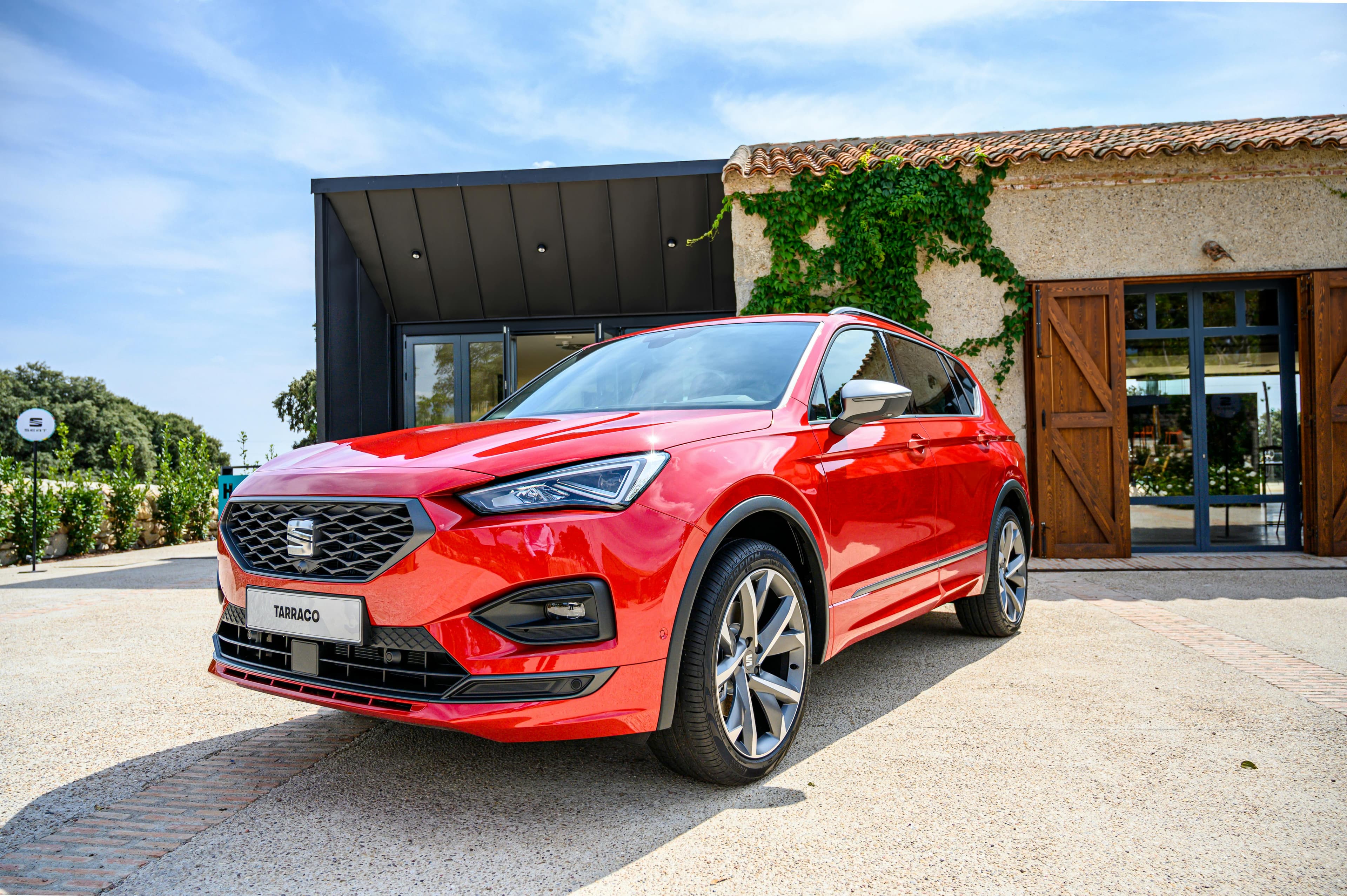
SEAT Leon — repair and service in Espoo
The SEAT Leon is one of the best-known compact cars of the Volkswagen Group. Over several generations the model has been built with MPI, TSI and TFSI-type VAG petrol engines, TDI diesels, manual gearboxes, DSG, all-wheel drive on selected versions, and the current generation added 48-volt eTSI and the plug-in hybrid e-HYBRID.
The Leon is technically close to the Volkswagen Golf, Škoda Octavia and other Volkswagen Group models of the corresponding generations, but it has its own suspension tuning, design, trim levels and sporty positioning.
On the Finnish used-car market you can find cars from the first generation of the late 1990s through to the current Leon IV. That is why, when servicing, it is important to consider not only the model name but also the specific engine, gearbox, model year and equipment.
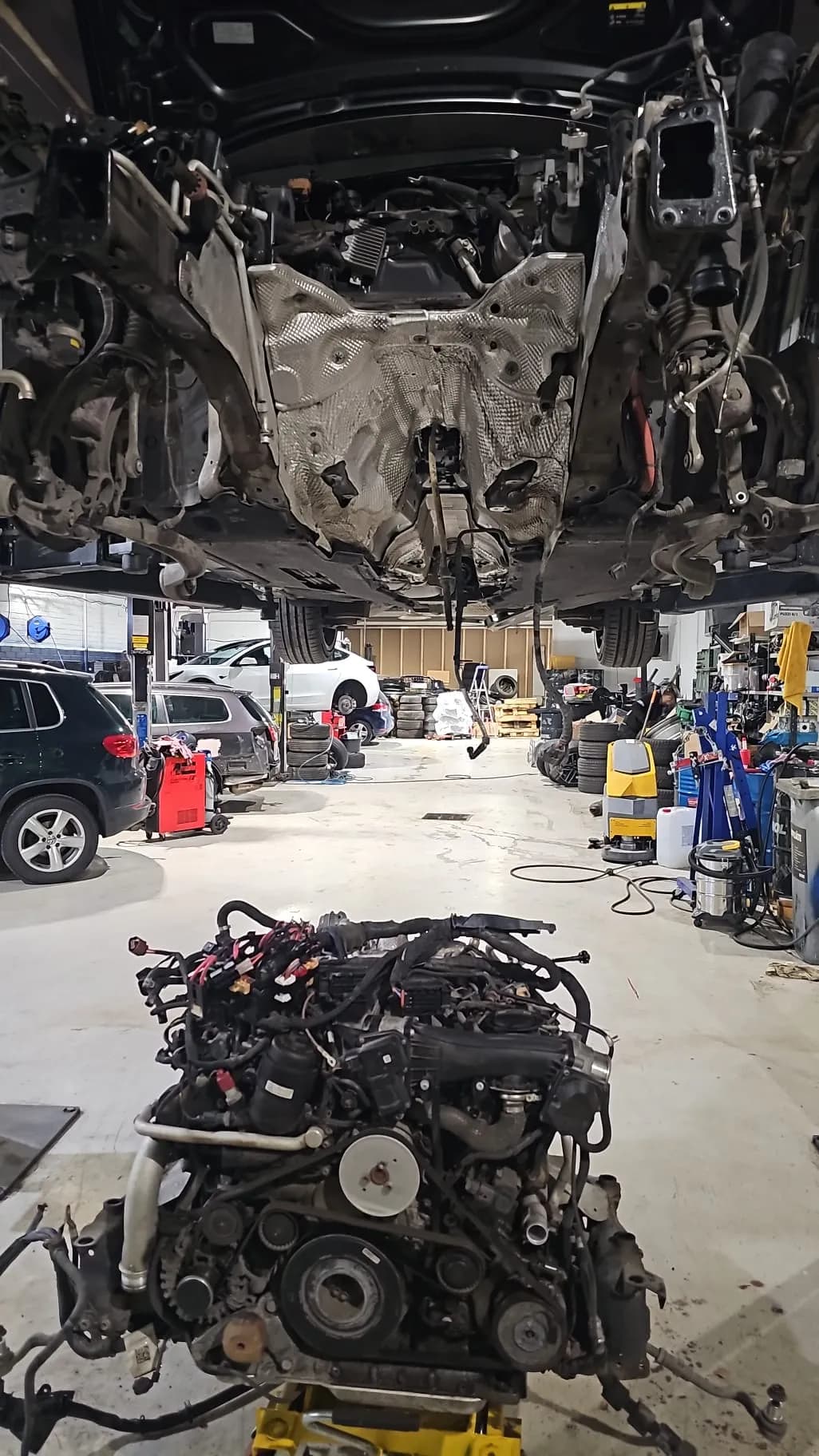
At Volkkarihuolto Espoo we carry out diagnostics, maintenance and repair of the SEAT Leon at Ruukinmestarintie 7, 02330 Espoo.
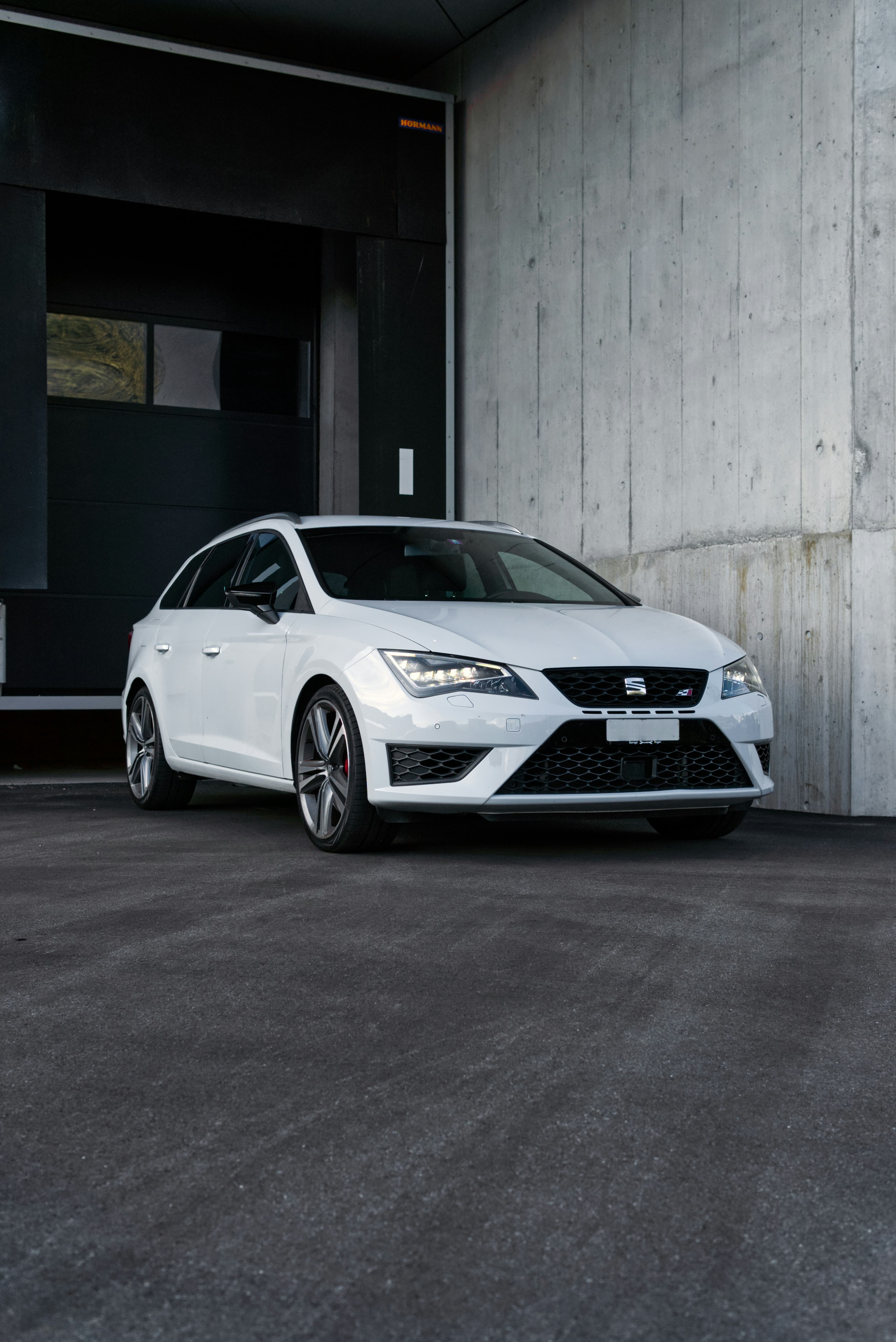
SEAT Leon generations
The modern history of the Leon includes four main generations. Over that time the model has progressed from relatively simple petrol and diesel cars with manual gearboxes to modern Leons with DSG, 48V mild hybrid and plug-in hybrid systems.
Technical complexity grew especially in the fourth generation, which introduced eTSI, e-HYBRID, shift-by-wire DSG, a digital instrument cluster, complex assistance systems and networked electronic systems.
- SEAT Leon I — from 1999
- SEAT Leon II — from 2005
- SEAT Leon III — from 2012
- SEAT Leon IV — from 2020
First-generation SEAT Leon
The first Leon appeared in the late 1990s and was closely related to the Volkswagen Golf IV platform. On the used market you will find naturally aspirated petrol engines, the 1.8 Turbo, TDI diesels, manual gearboxes and all-wheel drive on selected versions.
Today these cars are already of considerable age, so actual technical condition matters more than the stated mileage. Particular attention should be paid to:
- corrosion
- the cooling system
- the timing drive
- the clutch
- the turbocharger
- the suspension
- the brakes
- the wiring
- computer diagnostics
Second-generation SEAT Leon
The Leon II appeared in the mid-2000s and moved technically closer to the Golf V and Octavia II. It can be found with MPI, FSI, TSI and TDI engines, manual gearboxes, DSG, and the sporty FR and Cupra versions.
This generation is already noticeably more complex than the first in terms of direct injection, turbocharging, DSG, DPF and electronic diagnostics. When buying, it is especially worth checking the specific engine and gearbox carefully.
Third-generation SEAT Leon
The Leon III appeared in 2012 and moved to the MQB platform. The model was built in several body styles: five-door hatchback, three-door Leon SC and Leon ST estate.
This generation widely used the 1.0 TSI, 1.2 TSI, 1.4 TSI, 1.5 TSI, 1.8 TSI, 2.0 TSI, 1.6 TDI and 2.0 TDI, along with 6- and 7-speed DSG gearboxes. The official technical data for the third-generation Leon SC, for example, included a 1.0 TSI with 115 hp, a 1.2 TSI and a 1.4 TSI, and the 1.0 TSI was also available with the 7-speed DSG.
Fourth-generation SEAT Leon
The fourth generation was released in 2020. It received a more modern electronic architecture and a wide range of powertrains: TSI, TDI, eTSI mild hybrid, e-HYBRID plug-in hybrid, manual gearboxes and DSG.
The current Leon is built as a five-door hatchback and as the Sportstourer. For current versions SEAT quotes, among others, the 1.5 eTSI 48V with 85 or 110 kW and a 7-speed DSG.
SEAT Leon service in Espoo
The Leon can be used as a city car, a family estate or a sportily tuned car. In Finnish conditions it is worth considering cold starts, short trips, road salt, heavy battery load in winter, DPF operation on diesels, brake corrosion and the condition of the suspension.
It is worth checking regularly:
- engine oil
- filters
- spark plugs
- the timing drive
- the turbocharger
- the cooling system
- DSG
- the clutch
- DPF
- EGR
- AdBlue
- the suspension
- the brakes
- the battery
- the air conditioning
- SEAT Leon scheduled maintenance
- oil and filter change
- annual service
SEAT Leon TSI petrol engines
TSI is the basis of the petrol range in the modern Leon generations. Over the years the 1.0 TSI, 1.2 TSI, 1.4 TSI, 1.5 TSI, 1.8 TSI and 2.0 TSI have been used.
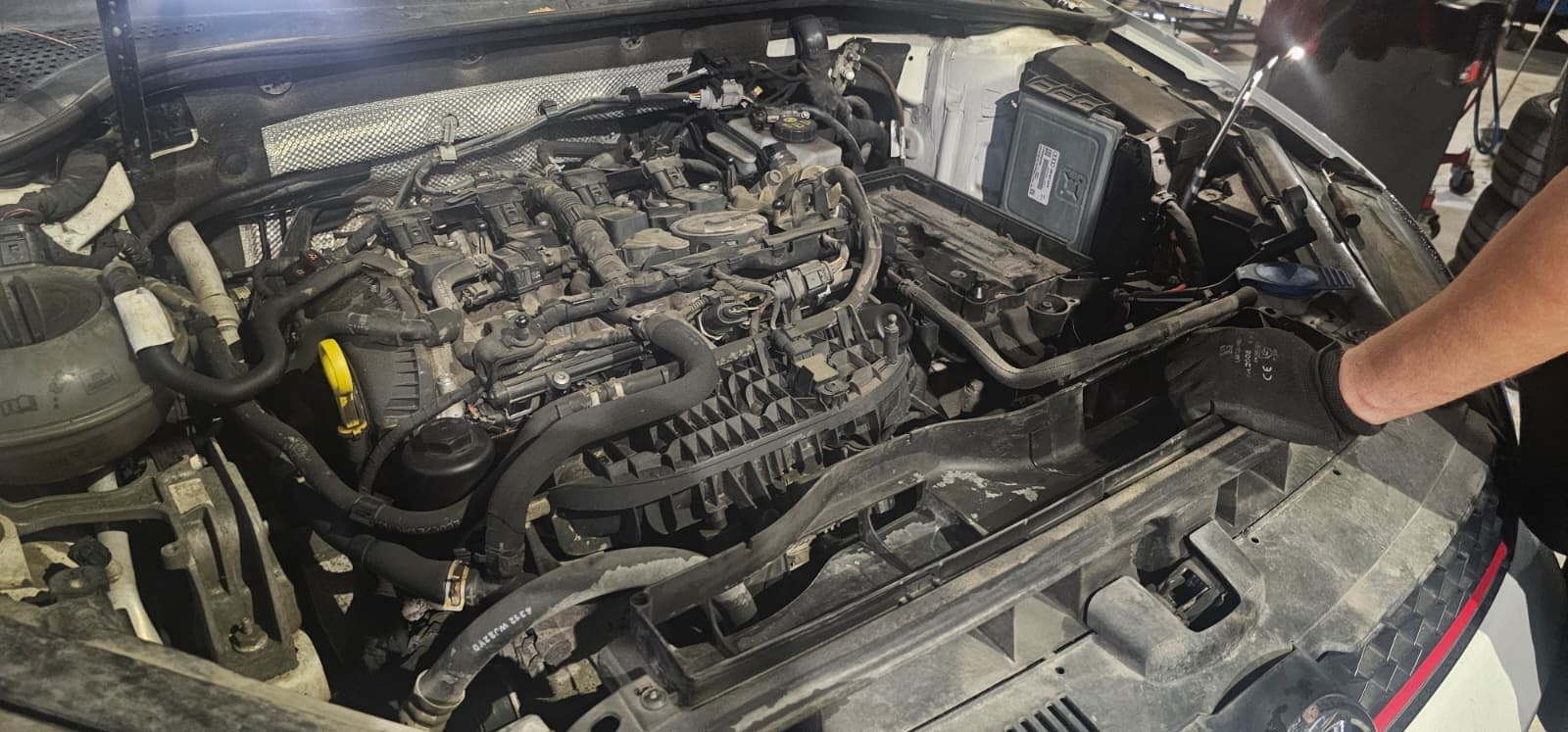
During servicing it is worth monitoring the oil, spark plugs, ignition coils, turbocharger, crankcase ventilation, cooling system and timing drive. Reasons for diagnostics include:
- Check Engine
- EPC
- misfiring
- jerking
- loss of power
- increased oil consumption
- an unusual noise after starting
- petrol engine repair
- computer diagnostics
SEAT Leon 1.0 TSI
The 1.0 TSI was widely used in the third and fourth generations. It is a three-cylinder turbocharged engine. A slight characteristic vibration can be normal for its design.
Diagnostics are needed if the vibration has become strong, misfires have appeared, EPC lights up, the engine jerks or power has dropped. Possible causes:
- spark plugs
- ignition coils
- injectors
- the boost system
- air leaks
- sensors
- petrol engine repair
- computer diagnostics
SEAT Leon 1.2 TSI
The 1.2 TSI is common on the Leon III. Different generations of the engine can have different timing drive designs. That is why generic recommendations for replacing the chain or belt should not be used without confirming the engine code.
It is worth coming in for diagnostics if there is noise after a cold start, EPC, misfires, loss of power or unstable running.
SEAT Leon 1.4 TSI
The 1.4 TSI was used both in regular petrol versions and in the first generation of the Leon e-HYBRID. The early plug-in hybrid Leon combined the 1.4 TSI, an 85 kW electric motor, a system output of 150 kW / 204 hp, a battery of about 13 kWh and a 6-speed DSG.
The electric range was approximately 58–64 km WLTP. That is why a regular 1.4 TSI and the 1.4 TSI inside an e-HYBRID require a different diagnostic approach.
SEAT Leon 1.5 TSI
The 1.5 TSI is used on current Leon versions. It can appear as a regular TSI, as an eTSI with a 48V mild-hybrid system, or as the petrol part of the new e-HYBRID.
On the current Leon eTSI the 1.5 engine produces 85 or 110 kW and works with a 7-speed DSG. During servicing it is worth checking the spark plugs, ignition coils, oil, turbocharger, cooling system and, on the eTSI, the 48V components.
SEAT Leon 1.8 TSI
The 1.8 TSI is found on the more powerful third-generation versions. Increased oil consumption does not always mean an overhaul is needed — first it is worth ruling out external leaks, crankcase ventilation and the turbocharger.
On high-mileage cars it is especially worth watching oil consumption, the cooling system, the turbocharger, the DSG and the tuning history.
SEAT Leon 2.0 TSI
The 2.0 TSI is used on powerful Leon versions and related sporty models. Such an engine places increased load on the gearbox, cooling, brakes, tyres and suspension.
If the car has been chip-tuned, it is important to find out what power level was set, whether the DSG program was changed and for how long the car was driven in the modified configuration.
SEAT Leon turbocharger
Most modern TSI and TDI engines use turbocharging. But a boost error does not automatically mean a faulty turbocharger. Hoses, the actuator, valves, sensors, wiring and, on the relevant diesels, the vacuum system are also checked.
Signs of a possible fault: loss of power, a boost pressure error, whistling, smoke and increased oil consumption.
SEAT Leon oil consumption
If oil has to be topped up regularly, the cause should be identified. For different TSI generations the causes can differ significantly. That is why the engine code, mileage, service history and actual oil consumption are important.
Possible causes include external leaks, crankcase ventilation, the turbocharger and internal engine wear.
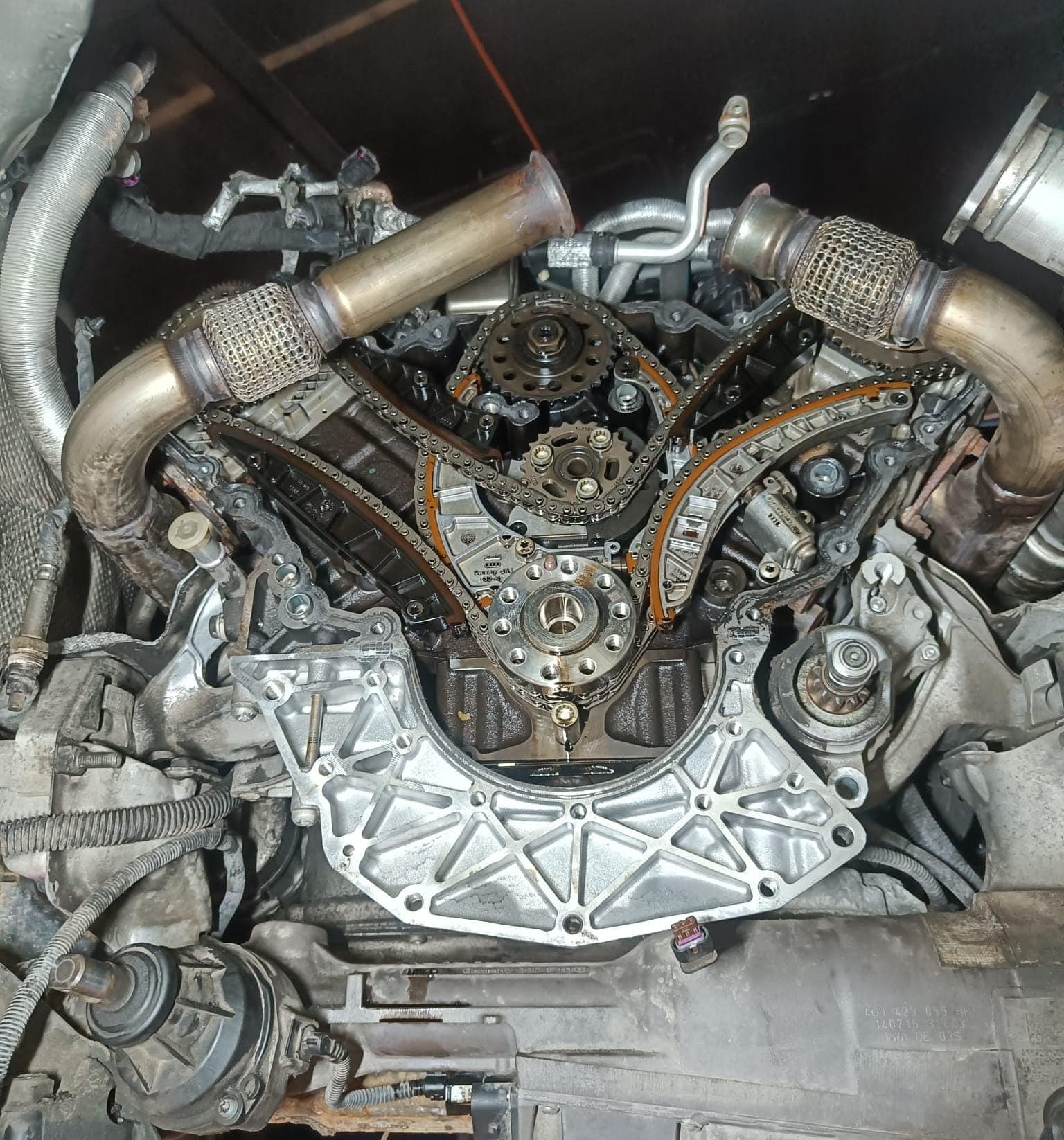
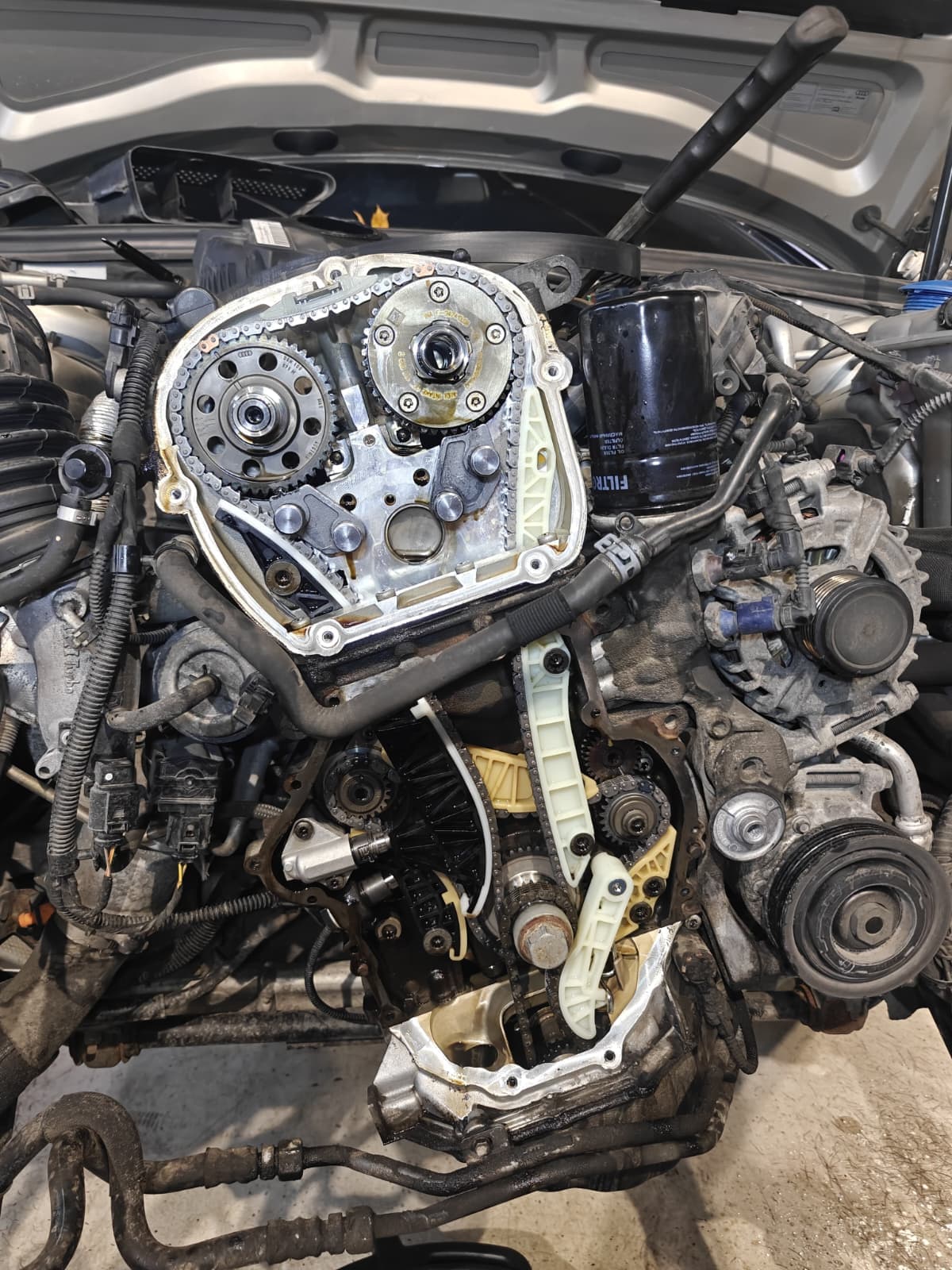
SEAT Leon timing belt or timing chain
Over the decades a huge number of Volkswagen Group engines have been used in the Leon. That is why both chain and belt drives are found. There is no single universal timing replacement interval for all Leons.
The VIN, engine code, model year, service history and manufacturer requirements must be taken into account.
Timing chain
On the relevant TSI engines, reasons for an inspection can include a metallic noise after starting, timing errors, hard starting and unstable running. But noise does not automatically mean the kit needs replacing. Diagnostics must be carried out first.
Timing belt
On belt-driven engines, not only the mileage but also the requirements of the specific engine must be considered. During servicing the pulleys, tensioner, belt condition, oil leaks and coolant leaks are also checked.
SEAT Leon TDI diesels
Diesel Leons are widely represented in Finland. The most common are the 1.6 TDI and 2.0 TDI. They suit high annual mileage, motorway driving and long trips.
But modern TDI engines require a properly working exhaust cleaning system.
SEAT Leon 1.6 TDI
The 1.6 TDI is common on the Leon II and III. Short city trips are especially unfavourable for the DPF.
During servicing it is worth checking:
- DPF
- EGR
- the turbocharger
- injectors
- the timing drive
- the clutch
- the dual-mass flywheel on the relevant versions
- TDI diesel engine repair
SEAT Leon 2.0 TDI
The 2.0 TDI was used on the more powerful diesel versions. It is well suited to long trips but requires monitoring. On a used car it is also worth checking the software tuning history.
It is worth monitoring:
- DPF
- EGR
- AdBlue on the relevant generations
- the turbocharger
- the cooling system
- the timing drive
- DSG
- TDI diesel engine repair
- DSG service and repair
SEAT Leon DPF
The particulate filter is used on modern diesel versions. It accumulates soot and ash. Soot can be burned off during regeneration. Ash remains inside the filter.
Signs of active regeneration: raised engine revs, the fan running after shutdown, increased consumption and a temporarily inactive Start-Stop. If regenerations happen too often, the cause is worth looking for.
Why does the Leon regenerate the DPF often?
Forced regeneration without eliminating the cause may give only a temporary effect.
Possible causes:
- short trips
- high filter loading
- a faulty EGR
- the differential pressure sensor
- temperature sensors
- injectors
- incorrect engine operation
- DPF diagnostics
SEAT Leon EGR
The EGR becomes dirty over time. If the coolant level is also dropping, the EGR cooler on the relevant engine should be considered too.
Possible symptoms:
- Check Engine
- loss of power
- unstable idle
- frequent regenerations
- limp mode
- EGR diagnostics
- coolant leak diagnosis
SEAT Leon AdBlue
More modern diesel Leons use SCR and AdBlue. If a countdown to a no-start appears, it is better to diagnose the problem in advance. Simply topping up the fluid will not fix a faulty pump or sensor.
The fault may be related to the pump, the injector, the heater, the NOx sensor, the level sensor or the wiring.
SEAT Leon DSG
DSG is very widely used on the Leon. Different generations have used different gearboxes: 6-speed, 7-speed, with dry clutches and with wet clutches.
That is why the phrase "DSG oil" on its own is not enough to determine the correct service. The exact transmission type must be identified first.
Why does the Leon DSG jerk?
The cause can be the clutches, the mechatronic unit, adaptations, the mechanical part, the engine or the engine and gearbox mounts.
It is worth coming in for diagnostics if:
- D or R engages with a delay
- shuddering has appeared
- shifts are accompanied by thumps
- the gearbox goes into limp mode
- gears are lost
- DSG service and repair
- computer diagnostics
DSG mechatronic unit
The mechatronic unit controls the clutches and shifts. But a mechatronic fault does not automatically mean the whole unit must be replaced. Diagnostics are carried out first.
Possible symptoms: being unable to engage a gear, limp mode, strong jerks, pressure errors and a flashing gearbox indicator.
Manual gearbox and clutch
The Leon is often found with a manual gearbox. On TDI and more powerful versions it is important to consider the condition of the dual-mass flywheel.
Clutch wear can show up as slipping, a high bite point, vibration and difficult shifting.
SEAT Leon eTSI
The fourth generation received the eTSI mild-hybrid system. Current versions use the 1.5 eTSI, a 48V system and a 7-speed DSG. SEAT quotes variants with 85 kW / 115 hp and 110 kW / 150 hp.
The 48V system makes more efficient use of Start-Stop, energy recuperation and coasting possible.
What to check on the Leon eTSI?
In addition to the usual TSI components, the 48V battery, the starter-generator, DC/DC conversion, the DSG and the energy management system must be considered.
If several electrical errors appear at once, it is worth starting with a check of the power supply and the stored fault codes.
SEAT Leon e-HYBRID
The Leon IV was the first generation of the model with a plug-in hybrid. The first e-HYBRID version combined the 1.4 TSI and an electric motor, delivering a combined output of 150 kW / 204 hp and an electric range of around 58–64 km WLTP.
The powertrain was later substantially updated.
New Leon e-HYBRID
The current version already uses the 1.5 TSI and a significantly larger battery. This is technically very different from the early Leon e-HYBRID with its 13 kWh battery.
According to current technical data: system output — 150 kW / 204 hp; battery — about 26.8 kWh gross and 19.7 kWh net; AC charging — up to 11 kW; DC charging — up to 50 kW; electric range — approximately 125–133 km WLTP; gearbox — 6-speed DSG.
If the Leon e-HYBRID does not charge
The cause is not necessarily the traction battery. For the current version it is useful to compare AC and DC separately. If one works and the other does not, that helps narrow down the possible faults.
It is worth checking:
- the charging station
- the cable
- the charging port
- the locking mechanism
- the 12V battery
- the on-board charger
- HV errors
- the cooling system
- computer diagnostics
- electrical repair
Leon high-voltage battery
On a plug-in hybrid the battery works together with the petrol engine, the DSG and the cooling system. If the electric range has become shorter, that does not necessarily mean battery degradation. It is affected by temperature, heating, speed, driving style, winter tyres and previous consumption statistics.
Diagnostic data is needed to assess the battery condition. Work directly on high-voltage components is carried out only when the appropriate qualifications are in place and safety requirements are observed.
12V battery
The modern Leon depends heavily on a stable low-voltage supply. On the eTSI and e-HYBRID the electrical architecture is even more complex, so checking the power supply is especially important.
A weak battery can cause Start-Stop failure, assistance system errors, DSG glitches, multimedia problems and multiple warnings.
SEAT Leon cooling system
Modern TSI, TDI and hybrid engines have complex cooling circuits. On the e-HYBRID the cooling of the electrical side must also be considered. Antifreeze should not be topped up regularly without looking for the leak.
The cause of a falling coolant level can be the pump, thermostat, housing, radiator, hoses, heat exchanger and, on a diesel, the EGR cooler.
SEAT Leon suspension
The suspension design depends on the generation, power output and equipment. Current lower-powered versions may use a simpler rear axle, whereas powerful and hybrid versions may have a multi-link design.
For example, current eTSI versions in the base configuration have a semi-independent rear axle, while the current e-HYBRID has a multi-link one. That is why the specific version of the car must be considered before a repair.
SEAT Leon DCC
Adaptive DCC suspension is available on selected versions. It adjusts the operation of the dampers depending on the selected mode.
In the event of a fault a chassis error, excessive stiffness or unusual car behaviour may appear. The dampers, sensors, wiring and control unit are checked.
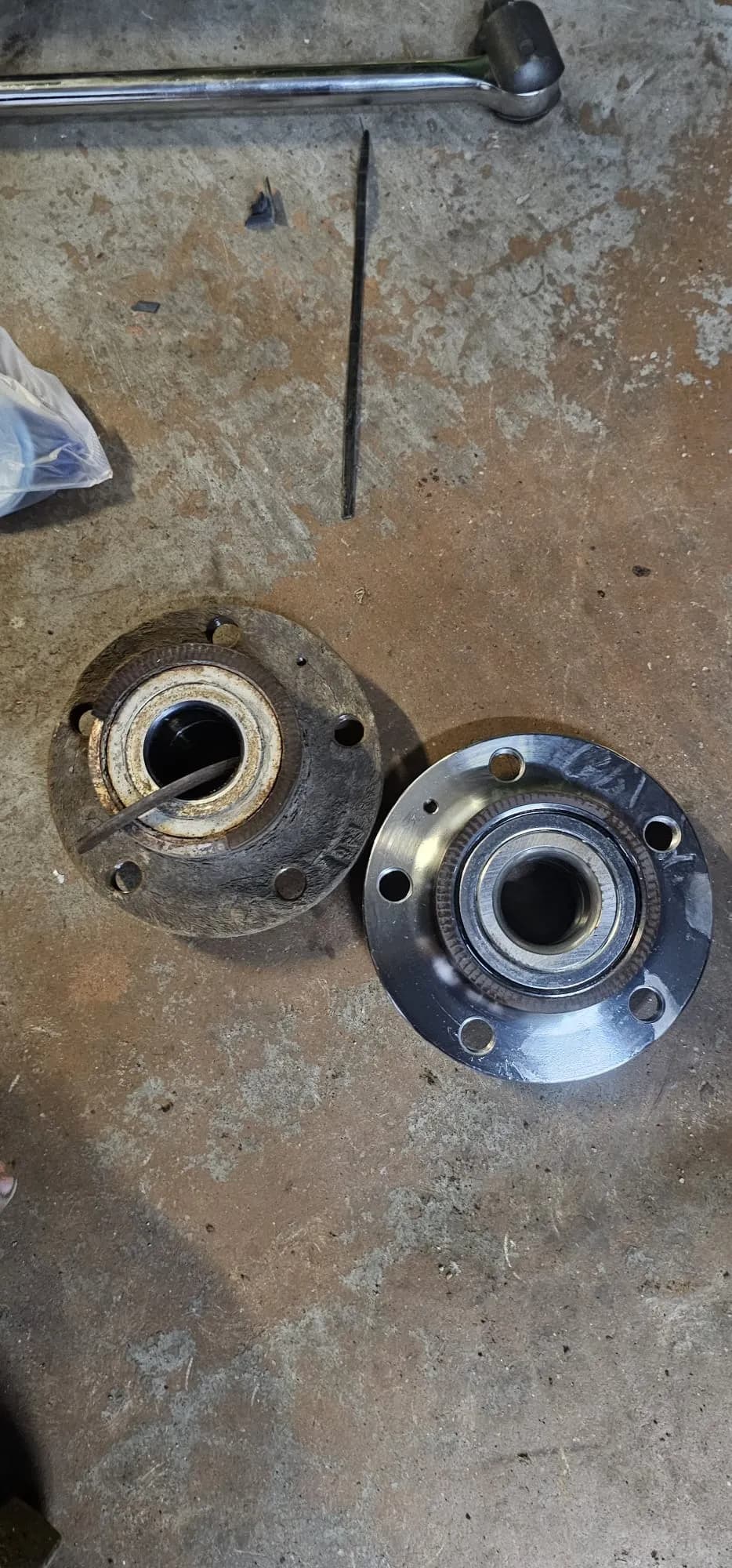
Wheel bearings
A worn bearing usually causes a hum that grows with speed. But a similar sound can be produced by winter tyres, uneven tyre wear and, on the relevant versions, drivetrain components.
Before replacement it is worth identifying the source of the noise.
SEAT Leon brakes
Finnish road salt especially affects the brakes. Disc corrosion, seized guide pins, sticking calipers and uneven pad wear are possible.
Diagnostics are needed if:
- the car pulls to one side
- vibration has appeared
- one wheel overheats
- the brakes squeal
- a parking brake error has appeared
e-HYBRID brakes
A plug-in hybrid uses regenerative braking, so the mechanical brakes may be used less often. This can increase the risk of disc corrosion in Finnish conditions.
The current Leon e-HYBRID has disc brakes at the front and rear; official data states, for example, 306 mm front discs and 272 mm rear discs. Even if the pads wear slowly, the brakes must still be checked regularly.
Electronic parking brake
Current generations use an electronic parking brake. When repairing the rear brakes, the service mode must be taken into account.
A fault may be related to the caliper actuator, wiring, power supply or the control unit.
SEAT Leon Sportstourer
The Sportstourer is the fourth-generation estate and the successor to the Leon ST. It is convenient for a family, large luggage, long trips and work tasks. The plug-in hybrid is also available in the Sportstourer body.
In the early e-HYBRID version the boot capacity was about 470 litres versus 270 litres for the five-door e-HYBRID because of the battery placement.
Is there a SEAT Leon 4Drive?
On selected generations and versions of the Leon estate, 4Drive all-wheel drive was used. The specific design and availability of 4Drive depend on the generation, engine, market and equipment. That is why an all-wheel-drive Leon must be identified by its VIN.
On such cars the all-wheel-drive clutch, propshaft, rear differential and driveshafts are also checked.
All-wheel drive service
The relevant 4Drive versions require separate servicing of the multi-plate clutch. The fluid, pump, contamination, errors and the actual operation of the rear axle should be monitored.
If the car spins only the front wheels, that is a reason to check the system.
FR — what is it?
FR is the sporty SEAT trim level. It can differ in design, seats, suspension, wheels and tuning. But FR is not a separate engine.
Under the Leon FR badge there can be completely different powertrains: TSI, TDI, eTSI and e-HYBRID. That is why servicing is determined by the specific configuration of the car.
SEAT Leon Cupra
On the first three generations the sporty versions were sold as the SEAT Leon Cupra. These could be cars with a powerful 1.8T, 2.0 TFSI/TSI, uprated brakes, sports suspension and increased output.
With the arrival of the separate CUPRA brand, the new sporty models began to be sold as the CUPRA Leon. That is why the modern CUPRA Leon is more logically considered a separate model line, although technically it is closely related to the SEAT Leon.
Leon FR and Cupra tuning
The Leon is especially often subjected to software tuning. Increasing power raises the load on the turbocharger, DSG, clutch, engine, cooling and brakes.
Before buying it is worth finding out whether the ECU software has been changed, whether the DSG program was changed, whether a different intake or exhaust has been fitted and whether the car has been used on a track.
SEAT Leon IV electronics
The fourth generation is considerably more complex than its predecessors. Systems are combined into a digital architecture, so one power or communication problem can cause many warnings.
Multimedia freezes, temporary unavailability of assistance systems, communication errors and problems after a weak battery are possible. Before replacing electronic units it is worth checking the errors, power supply, software version and communication between the modules.
Multimedia
If the screen freezes, reboots, loses Bluetooth, does not connect the phone or runs slowly, the cause can be either software or hardware. Not every multimedia problem needs to be solved by replacing the display.
Cameras and assistance systems
The Leon IV can be equipped with Adaptive Cruise Control, Front Assist, Lane Assist, Side Assist, Travel Assist, parking systems and a camera. In winter, snow and ice can also temporarily block the sensors.
After a windscreen replacement, bodywork repair, suspension repair or a change in alignment, calibration may be required.
LED headlights
The modern Leon uses complex LED lighting. Because of the high cost of modern lighting units, diagnostics before replacement are especially important.
In the event of a headlight error, the power supply, wiring, control unit, body level sensors and the headlight itself must be checked.
Air conditioning and climate control
If the air conditioning has stopped cooling, the refrigerant, leaks, compressor, condenser, pressure sensor and fan are checked.
On the e-HYBRID the climate system also interacts with the electric powertrain. That is why diagnostics on a hybrid car differ from a regular TSI.
Water in the cabin
If dampness appears, it is worth checking the door seals, drains, the panoramic roof, the Sportstourer tailgate and the effects of bodywork repairs.
Water can lead not only to odour but also to corrosion of electrical connections.
Pre-purchase inspection of a SEAT Leon
Before buying a used Leon it is worth checking the cold start, errors in the electronic units, the engine, oil consumption, the turbocharger, the timing drive, the cooling system, the DSG or manual gearbox, the clutch, the dual-mass flywheel, DPF, EGR, AdBlue, the suspension, DCC, wheel bearings, brakes, battery, air conditioning, multimedia, bodywork and underbody.
For the eTSI, the 48V system, the starter-generator and energy management are also checked. For the e-HYBRID — high-voltage errors, AC/DC charging, the HV battery, hybrid mode and the cooling system.
SEAT Leon services we provide
You can contact Volkkarihuolto Espoo for:
Work directly on the high-voltage components of the e-HYBRID is carried out only when the necessary qualifications are in place and safety requirements are observed.
- SEAT Leon scheduled maintenance
- engine oil and filter change
- computer diagnostics
- TSI engine service
- TDI engine service
- turbocharger diagnostics
- timing belt or chain inspection
- DPF diagnostics
- EGR inspection
- AdBlue diagnostics
- DSG service
- mechatronic unit diagnostics
- clutch repair
- dual-mass flywheel inspection
- eTSI diagnostics
- Leon e-HYBRID diagnostics
- charging check
- cooling system diagnostics
- brake repair
- suspension diagnostics
- DCC check
- wheel bearing replacement
- battery check
- air conditioning service
- multimedia diagnostics
- electronic assistance system check
- preparation for the periodic inspection
- pre-purchase inspection of a SEAT Leon
Common signs of a SEAT Leon fault
It is worth booking diagnostics if:
- Check Engine or EPC is on
- the engine is misfiring
- the car has lost power
- jerking has appeared
- oil consumption has increased
- an unusual turbo whistle has appeared
- a metallic noise can be heard after starting
- the coolant level is dropping
- the TDI regenerates the DPF often
- an EGR or AdBlue error has appeared
- the DSG jerks
- D or R engages with a delay
- the clutch slips
- vibration has appeared
- the suspension knocks
- a hum has appeared
- the brakes vibrate
- the eTSI shows a 48V error
- the e-HYBRID does not charge
- the multimedia reboots
- the assistance systems become unavailable
SEAT Leon repair in Espoo
Need repair or scheduled maintenance for your SEAT Leon? Contact Volkkarihuolto Espoo at Ruukinmestarintie 7, 02330 Espoo.
We can carry out diagnostics of petrol TSI and diesel TDI engines, DSG, turbocharging, the timing drive, DPF, EGR, AdBlue, the cooling system, eTSI, brakes, suspension, battery, air conditioning, multimedia and electronic assistance systems.
For the Leon e-HYBRID you can contact us for diagnostics of charging and related systems; whether specific work directly on high-voltage components is possible is determined taking into account safety requirements and the necessary qualifications.
When servicing a SEAT Leon it is especially important to consider the specific generation. A Leon III 1.2 TSI DSG, a Leon FR 2.0 TDI, a modern Leon 1.5 eTSI and a Leon e-HYBRID differ noticeably technically and require different approaches to diagnostics and preventive maintenance.
Correct diagnostics make it possible to identify the real cause of a fault and avoid unnecessary replacement of expensive components.
FAQ
How many generations of the SEAT Leon are there?
The current model has four main generations: from 1999, 2005, 2012 and 2020.
What engines have been fitted to the SEAT Leon?
Depending on the generation, naturally aspirated petrol engines, TSI and TDI diesels have been used, and on the current Leon also eTSI mild hybrid and e-HYBRID plug-in hybrid.
Is there a SEAT Leon with DSG?
Yes. DSG has been widely used from the second and especially the third generation onwards. Depending on the engine, different versions of the 6- and 7-speed DSG are used.
Why does the Leon DSG jerk?
The cause can be the clutches, the mechatronic unit, adaptations, the mechanical part of the gearbox, the engine or the powertrain mounts. Diagnostics are needed before repair.
Timing belt or chain on the SEAT Leon?
It depends on the specific engine. Different TSI and TDI generations use different systems, so the exact service schedule must be determined from the VIN and engine code.
Is there a diesel SEAT Leon?
Yes. The 1.6 and 2.0 TDI are especially common.
Why does the Leon TDI regenerate the DPF often?
The cause can be short trips, high filter loading, the EGR, sensors, injectors or another engine fault.
Is there a SEAT Leon mild hybrid?
Yes. The current Leon is offered with the 1.5 eTSI 48V with 85 or 110 kW and a 7-speed DSG.
Is there a plug-in hybrid SEAT Leon?
Yes. The Leon IV is built as the e-HYBRID.
What is the range of the new Leon e-HYBRID?
The current version with a battery of about 26.8 kWh gross has a stated electric range of approximately 125–133 km WLTP in the five-door configuration.
Can the new Leon e-HYBRID be charged at a fast DC station?
Yes. The current version supports DC charging of up to 50 kW and AC charging of up to 11 kW.
Is there a SEAT Leon 4×4?
On selected generations and versions, especially estates, 4Drive all-wheel drive was available. Availability and the specific system depend on the engine and model year.
Is FR a separate engine?
No. FR is a sporty trim level. Different petrol, diesel and hybrid powertrains can be used under it.
Are the SEAT Leon Cupra and CUPRA Leon the same thing?
Historically the sporty Leon versions were sold as the SEAT Leon Cupra. After CUPRA was separated into its own brand, modern sporty cars are sold as the CUPRA Leon.
Can a SEAT Leon be inspected before purchase?
Yes. It is worth checking the engine, timing drive, turbocharger, DSG or clutch, cooling system, suspension, brakes and electronics. For a TDI, DPF/EGR/AdBlue are also checked, for an eTSI the 48V system, and for an e-HYBRID the charging and high-voltage system.
Detailed Services
Professional fault diagnostics for SEAT Leon.
Oil ChangeEngine oil and filter replacement for SEAT Leon.
Annual maintenanceComprehensive annual maintenance for SEAT Leon.
Regular MaintenanceScheduled maintenance for SEAT Leon according to service needs.
Engine RepairEngine diagnostics and repair for SEAT Leon.
Diesel Engine RepairDiesel engine service and repair for SEAT Leon.
Electrical RepairElectrical fault tracing and repair for SEAT Leon.
ECU ProgrammingControl unit programming and coding for SEAT Leon.
DSG RepairDSG transmission diagnostics and repair for SEAT Leon.
Transmission RepairTransmission diagnostics and repair for SEAT Leon.
Transmission Oil ChangeTransmission oil change for SEAT Leon.
Timing Belt ReplacementTiming belt and related component replacement for SEAT Leon.
Timing Chain ReplacementTiming chain, tensioner, and guide replacement for SEAT Leon.
Cooling System RepairCooling system service and repair for SEAT Leon.
AC RepairAir conditioning service and repair for SEAT Leon.
Engine Heater InstallationEngine heater installation and service for SEAT Leon.
Cabin OzonationCabin ozonation and odor removal for SEAT Leon.